
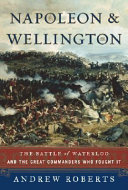
Napoleon and Wellington: The Long Duel
No key takeaways available
Key takeaways have not been configured yet
On the morning of the battle of Waterloo, the Emperor Napoleon declared that the Duke of Wellington was a bad general, the British were bad soldiers and that France could not fail to have an easy victory. Forever afterwards historians have accused him of gross overconfidence, and massively underestimating the calibre of the British commander opposed to him. Andrew Roberts presents this revisionist view of the relationship between the two greatest captains of their age. Napoleon, who was born in the same year as Wellington - 1769 - fought Wellington by proxy years earlier in the Peninsular War, praising his ruthlessness in private whilst publicly deriding him as a mere sepoy general. In contrast, Wellington publicly lauded Napoleon, saying that his presence on a battlefield was worth forty thousand men, but privately wrote long memoranda lambasting Napoleon's campaigning techniques. Although Wellington saved Napoleon from execution after Waterloo, Napoleon left money in his will to the man who had tried to assassinate Wellington.
No community verdict available
Community verdict has not been configured yet
No hot topics available
Hot topics have not been configured yet

Chip War: The Quest to Dominate the World's Most Critical Technology
Chris Miller

The Book of Basketball: The NBA According to The Sports Guy
Bill Simmons

Out of Control
Kevin Kelly

The Artist's Way
Julia Cameron

Just Listen: Discover the Secret to Getting Through to Absolutely Anyone
Mark Goulston

The Crash Course
Chris Martenson

How to Win Friends & Influence People
Dale Carnegie

Breath: The New Science of a Lost Art
James Nestor

The Creative Habit
Twyla Tharp, Mark Reiter

Code: The Hidden Language of Computer Hardware and Software
Charles Petzold

The Lessons of History
Will Durant
The Road to Financial Freedom
Bodo Schäfer