
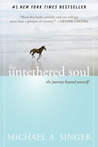
The Untethered Soul: The Journey Beyond Yourself
"Liberate consciousness by witnessing the inner voice, transforming personal suffering into serene presence."
- 1Separate your awareness from your internal narrative. You are not the voice in your head, but the one who hears it. This fundamental distinction is the first step toward psychological freedom, allowing thoughts and emotions to pass without defining you.
- 2Cease resisting reality to conserve vital energy. The mental habit of pushing against 'what is' creates chronic tension and drains personal power. Accepting the present moment as it exists frees that energy for conscious action and creative living.
- 3Let go of stored emotional pain by opening your heart. Past traumas and grievances are held as blocked energy within. By consciously relaxing the heart center in the face of discomfort, you release these old patterns and prevent new ones from forming.
- 4View consciousness as an infinite, untethered space. Your true self is the boundless awareness behind all experience. Dwelling in this witness state dissolves the small, fearful self and reveals a permanent foundation of peace untouched by passing phenomena.
- 5Practice non-attachment to both pain and pleasure. Clinging to pleasant experiences or fleeing unpleasant ones keeps you trapped in reactivity. Observing all sensations with equanimity allows you to experience life fully without being enslaved by it.
- 6Prioritize the seat of conscious awareness over thought. Happiness is found not in solving all mental puzzles, but in shifting your primary identity from the thinker to the aware presence. This inner relocation is the essence of spiritual practice.
The Untethered Soul presents a direct and practical guide to spiritual awakening, framed not through dogma but as a logical exploration of inner experience. It begins with a simple, disorienting inquiry: who is the "you" that is aware of your own thoughts? Michael Singer dismantles the common illusion that we are the incessant internal narrator, arguing instead that we are the conscious space in which thoughts and emotions arise and fall. This initial separation of Self from mental chatter is the foundational move for the entire journey.
From this vantage point, the book meticulously examines the mechanics of personal suffering. It maps how the psyche, in a bid for security, resists uncomfortable experiences, storing them as blocked energy within the heart. Singer details the lifelong process of "closing" around pain and the consequent narrowing of one's life. The central practice becomes one of radical openness—learning to consciously relax and release these holdings in the moment they are triggered, thereby freeing the vast energy previously used for self-protection.
The latter sections explore the implications of living from the perspective of the witness. When you cease identifying with the personal drama of the mind, a profound shift occurs: you begin to inhabit a state of serene observation. The book guides the reader toward understanding consciousness itself as infinite and untethered, a backdrop of peace that remains constant regardless of external or internal storms. This is not a passive state but one of vibrant, engaged presence.
Ultimately, Singer’s work is a manual for permanent inner freedom. It synthesizes insights from Vedanta, Buddhism, and mindfulness into a contemporary, accessible framework, making it particularly resonant for Western seekers skeptical of esoteric terminology. Its legacy lies in transforming abstract spiritual concepts into a clear, actionable sequence of inner experiments, offering a path to self-realization that is as intellectually rigorous as it is transformative.
The consensus positions this as a transformative, paradigm-shifting text for readers new to non-dual spirituality, praised for its lucid demystification of consciousness. Critics, often from more advanced backgrounds, find its concepts overly simplistic and repetitive, arguing it belabors a single insight without providing substantive technique. A significant portion of readers report a direct, positive impact on their mental management and emotional resilience, crediting it with providing immediate practical value.
- 1The book's core analogy of separating from the 'inner roommate' or narrating voice as a revolutionary yet simple tool for mental peace.
- 2Debates on the book's depth, with some finding it profoundly life-changing and others criticizing its repetitive, simplistic exposition of a single idea.
- 3Discussions on its practical applicability versus theoretical appeal, focusing on whether it provides actionable steps or merely inspirational philosophy.
- 4Comparisons to other spiritual and self-help works, notably Eckhart Tolle's *The Power of Now*, evaluating its unique contribution to the genre.

Stumbling on Happiness
Daniel Gilbert
The Art of Contrarian Trading
Carl Futia

Permanent Record
Edward Snowden

The Psychology of Money: Timeless Lessons on Wealth, Greed, and Happiness
Morgan Housel

Breakthrough: The Quest for Life-Changing Medicines
Dr William Pao
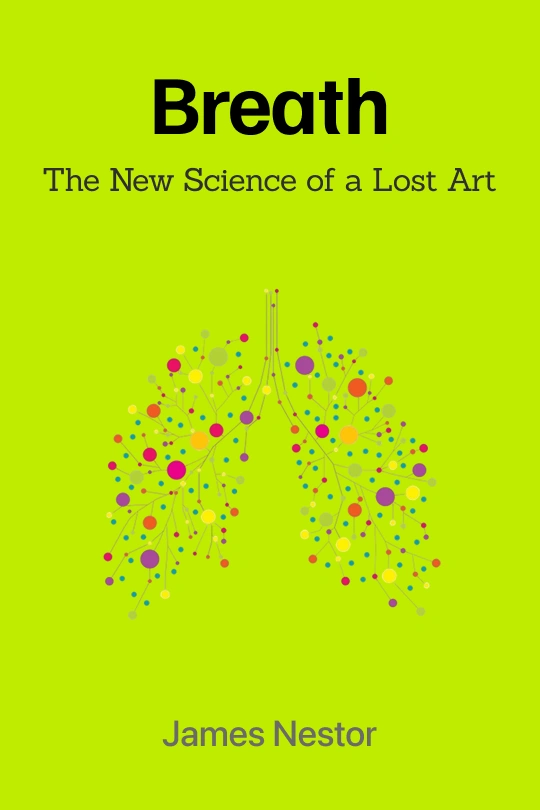
Breath: The New Science of a Lost Art
James Nestor

Just Listen: Discover the Secret to Getting Through to Absolutely Anyone
Mark Goulston
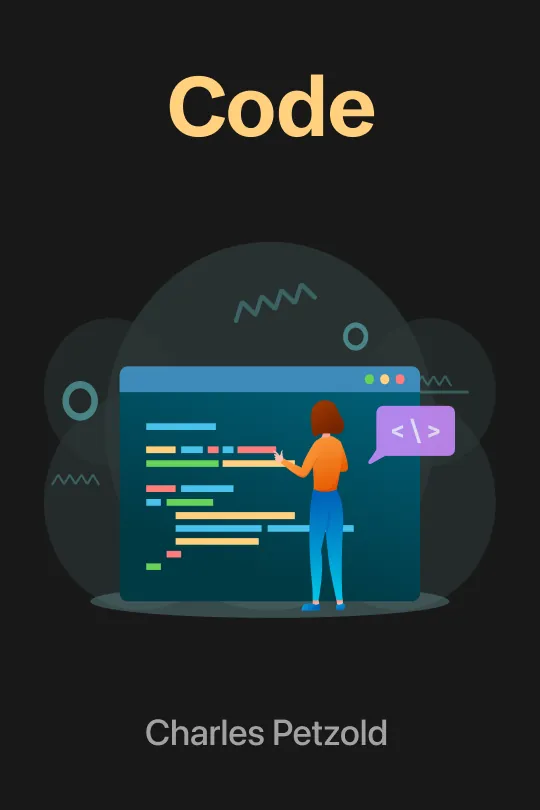
Code: The Hidden Language of Computer Hardware and Software
Charles Petzold

The Artist's Way
Julia Cameron
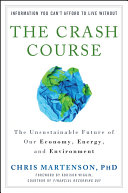
The Crash Course
Chris Martenson
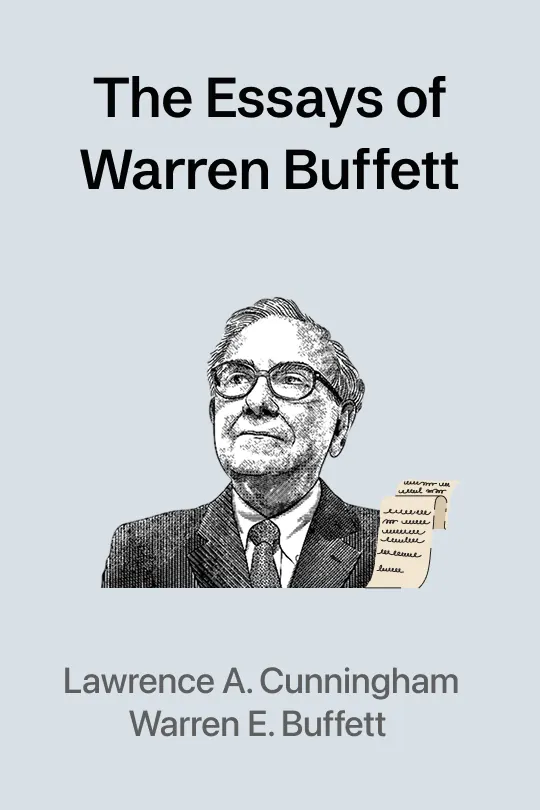
The Essays of Warren Buffett: Lessons for Corporate America
Lawrence A. Cunningham, Warren Buffett

Sapiens: A Brief History of Humankind
Yuval Noah Harari