
Bad Feminist
"Embrace the contradictions of modern identity to forge a more honest and inclusive cultural critique."
- 1Feminism thrives in personal imperfection, not ideological purity. The book dismantles the pressure for flawless political alignment, arguing that authentic, self-critical engagement with feminist principles is more vital and sustainable than performative perfection.
- 2Popular culture is a legitimate and urgent site of political analysis. Gay insists that the movies, music, and literature we consume shape societal norms; critiquing them is essential to understanding how power and prejudice operate in everyday life.
- 3Intersectionality is non-negotiable for meaningful feminist discourse. The essays demonstrate how race, class, sexuality, and body size fundamentally alter the experience of gender, making a feminism that ignores these intersections incomplete and exclusionary.
- 4The personal essay is a powerful tool for intellectual and social inquiry. By weaving memoir with cultural criticism, Gay models how lived experience provides critical insight into systemic issues, grounding theoretical concepts in tangible human reality.
- 5Humor and vulnerability are strengths, not weaknesses, in serious argument. The collection’s wit and self-deprecation disarm readers, creating an accessible entry point into complex discussions about privilege, shame, and the desire to belong.
Roxane Gay's Bad Feminist is a seminal collection of essays that dissects the complexities of contemporary culture through the lens of a deeply personal and politically astute consciousness. It arrives at a moment when feminism is both wildly popular and dangerously diluted, caught between commodification and caricature. Gay positions herself not as a movement’s spokesperson, but as a keen observer navigating its contradictions, using her own appetites and ambivalences as a map.
The essays range widely, from incisive critiques of films like The Help and Django Unchained to reflections on competitive Scrabble, the politics of pleasure in Fifty Shades of Grey, and the nuances of racial and body image. This methodological eclecticism is the point: Gay argues that culture is where politics are lived and internalized. Her analysis is rooted in intersectionality, consistently examining how race, sexuality, class, and body size fracture any monolithic notion of ‘the female experience.’
Structurally, the book moves from the intimately autobiographical to the broadly societal, establishing how personal identity is forged in the crucible of cultural narratives. She writes with equal authority about the trauma revealed in her fiction and the latent misogyny in a rap lyric, demonstrating how the political is inextricable from the personal. This approach reclaims cultural criticism from mere academic exercise, infusing it with urgent, lived stakes.
Ultimately, Bad Feminist is less a manifesto than an invitation—a call for a more generous, self-questioning, and inclusive discourse. It is essential reading for anyone weary of ideological rigidity, offering a model for how to engage with a flawed world without surrendering the desire for justice. The book’s legacy is its humanization of feminist critique, making it accessible without diminishing its intellectual power.
The critical consensus celebrates the collection for its intellectual accessibility and refreshing honesty, with readers deeply valuing Gay’s permission to be an imperfect, evolving participant in feminist thought. The essays on race, pop culture, and personal narrative are singled out as particularly resonant and sharp. A recurring critique notes some repetition across the pieces and a desire for even deeper dives into certain complex topics. Overall, it is hailed as a gateway text that demystifies feminism while rigorously challenging the reader.
- 1The relief and validation found in the 'bad feminist' premise, which absolves readers of the pressure for ideological purity.
- 2Debates over the essays' accessibility versus depth, with some praising the approachable style and others wanting more theoretical rigor.
- 3The powerful impact of Gay's intersectional analysis, especially her writings on race, culture, and body image.
- 4Discussions on the structure and perceived repetition across the collection's wide-ranging topics.

Code: The Hidden Language of Computer Hardware and Software
Charles Petzold
Radical Markets: Uprooting Capitalism and Democracy for a Just Society
Eric A. Posner, E. Glen Weyl

The Road to Financial Freedom
Bodo Schäfer

The Essays of Warren Buffett: Lessons for Corporate America
Lawrence A. Cunningham, Warren Buffett

The Intelligent Investor
Benjamin Graham

Chip War: The Quest to Dominate the World's Most Critical Technology
Chris Miller
Sapiens: A Brief History of Humankind
Yuval Noah Harari

The Artist's Way
Julia Cameron
Out of Control
Kevin Kelly

Amusing Ourselves to Death: Public Discourse in the Age of Show Business
Neil Postman
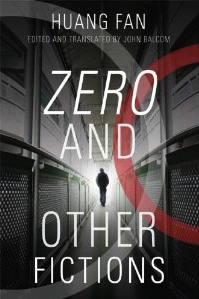
Zero and Other Fictions
Fan Huang
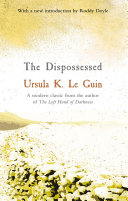
The Dispossessed
Ursula K. Le Guin