

Switch: How to Change Things When Change Is Hard
"Direct the rational mind, motivate the emotional core, and shape the environment to make lasting change inevitable."
- 1Direct the Rider with crystal-clear, actionable steps. Ambiguity breeds resistance. Change succeeds not through vague exhortations but by scripting specific, concrete behaviors that eliminate decision fatigue and provide an unambiguous path forward.
- 2Motivate the Elephant by appealing to identity and emotion. Willpower is a finite resource. Sustainable change requires connecting to deeper feelings, cultivating a growth mindset, and fostering a sense of identity that makes the new behavior feel authentic and rewarding.
- 3Shape the Path to make the right action the easiest one. Behavior is often a function of the situation, not the person. By tweaking the environment—like using smaller plates—you reduce the cognitive and emotional load required to make the desired change.
- 4Shrink the change to build momentum. Large goals can paralyze the emotional mind. Breaking change into minuscule, easily achievable steps creates quick wins, builds confidence, and makes the ultimate objective feel less intimidating.
- 5Find and highlight bright spots for a replicable blueprint. Instead of fixating on problems, identify existing successes within the system. Analyzing what is already working provides a practical, culturally credible model for change that feels attainable.
- 6Tweak the environment before blaming the person. What appears as a character flaw is frequently a situational design flaw. Effective change agents look first for simple adjustments to the context that can nudge behavior in the desired direction.
At the heart of our personal and professional struggles lies a universal challenge: the profound difficulty of making meaningful change. In Switch, Chip and Dan Heath dissect this stubborn problem through a powerful, unifying metaphor. The human psyche, they argue, is divided between a rational Rider—the analytical, planning self—and an emotional Elephant—the instinctive, comfort-seeking self. Lasting change is not a matter of willpower alone; it is the art of aligning these two forces, which often pull in opposite directions, toward a common destination.
The book's framework provides a three-part strategy for this alignment. First, one must Direct the Rider by providing crystal-clear direction, scripting critical moves, and finding bright spots—instances where the desired change is already happening. Second, one must Motivate the Elephant by engaging emotion, shrinking the change to a manageable size, and cultivating a new sense of identity. The Rider provides the plan, but the Elephant provides the energy; without its buy-in, effort quickly exhausts itself.
Third, and crucially, the Heaths insist we must Shape the Path. This involves tweaking the environment to make the desired behavior easier and the old behavior harder. It recognizes that what looks like a people problem is often a situation problem. The narrative is propelled by a series of compelling case studies, from a manager transforming corporate culture to a health worker combating childhood malnutrition, demonstrating how these principles operate in wildly different contexts.
Switch transcends simple self-help, offering a robust, evidence-based manual for anyone tasked with instigating change, whether leading an organization, managing a team, or pursuing personal growth. Its legacy is a pragmatic and optimistic toolkit that reframes the monumental challenge of transformation into a series of deliberate, achievable design problems.
The critical consensus praises the book's actionable, memorable framework as genuinely useful for managers, educators, and individuals seeking practical change strategies. Readers consistently find the Rider-Elephant-Path metaphor sticky and effective for diagnosing failures. A significant contingent, however, critiques the middle sections as overly padded with repetitive case studies, suggesting the core insights could be distilled into a long-form article without losing potency. Its accessibility is universally acknowledged, though some wish for greater depth on sustaining change beyond the initial switch.
- 1The utility of the central metaphor, with debate over whether it oversimplifies complex human psychology or provides essential clarity.
- 2Criticism of the book's repetitive structure and reliance on extended anecdotes that some feel dilute the powerful core concepts.
- 3Practical application in corporate settings, with many reviews citing its effectiveness for change management and team leadership initiatives.
- 4The balance between actionable advice and conceptual depth, with some readers wanting more rigorous scientific backing for the principles outlined.

Sapiens: A Brief History of Humankind
Yuval Noah Harari

Stumbling on Happiness
Daniel Gilbert
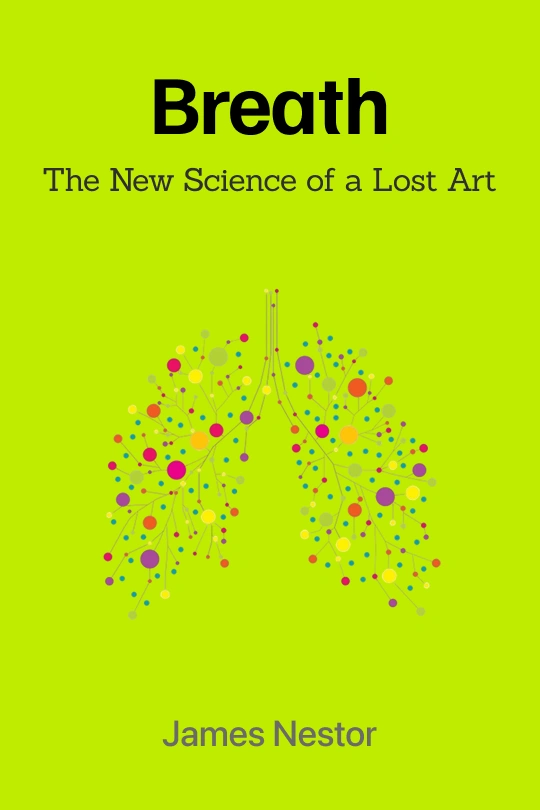
Breath: The New Science of a Lost Art
James Nestor

The Fifth Discipline
Peter M. Senge

How to Win Friends & Influence People
Dale Carnegie

Breakthrough: The Quest for Life-Changing Medicines
Dr William Pao
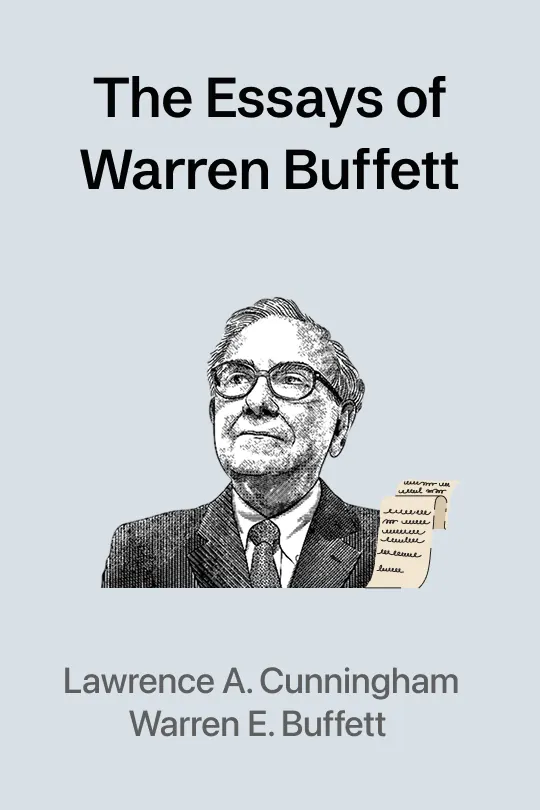
The Essays of Warren Buffett: Lessons for Corporate America
Lawrence A. Cunningham, Warren Buffett

The Norwegian Method
Brad Culp

The Art of Contrarian Trading
Carl Futia

Transformation in Christ
Dietrich Von Hildebrand

Code: The Hidden Language of Computer Hardware and Software
Charles Petzold

The Road to Financial Freedom
Bodo Schäfer