
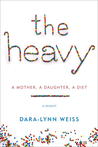
The Heavy: A Mother, a Daughter, a Diet—a Memoir
"A mother wages a lonely, scrutinized war against childhood obesity, exposing the impossible standards of modern parenting."
- 1Parenting is a public performance under constant judgment. The memoir reveals how every nutritional choice a parent makes is subject to external scrutiny, transforming private family decisions into public debates about morality and health.
- 2The food environment is engineered for children to fail. School lunches, birthday parties, and restaurant menus consistently promote unhealthy options, making conscientious eating a daily act of defiance against cultural norms.
- 3Maternal love often manifests as unpopular discipline. Weiss demonstrates that protecting a child's long-term health requires enforcing difficult, socially awkward boundaries that can feel like cruelty in the moment.
- 4Childhood obesity is a family crucible, not an individual failing. The problem implicates parental habits, socioeconomic pressures, and genetic predispositions, demanding a systemic rather than a purely personal solution.
- 5Well-intentioned action is preferable to passive concern. Despite methodological missteps, the narrative champions intervention over resignation, arguing that parental responsibility requires engaging complex problems head-on.
When a pediatrician labels her seven-year-old daughter, Bea, as clinically obese, Dara-Lynn Weiss is thrust into a moral and practical labyrinth. The diagnosis forces a confrontation not only with Bea’s health but with Weiss’s own fraught relationship with food, body image, and the specter of inherited dysfunction. This is not merely a story of weight loss; it is an unflinching excavation of modern motherhood, set against a culture where food is both abundant and morally charged, and where parenting is performed under the relentless gaze of peers and strangers.
Weiss chronicles the granular, exhausting process of recalibrating her daughter’s diet—counting calories, navigating supermarket aisles, and decoding nutrition labels. The memoir details a series of fraught negotiations with a child who craves normalcy and the ubiquitous, sugar-laden treats that symbolize it. These daily struggles are compounded by external environments seemingly designed to undermine her efforts: school cafeterias serving pizza and fries, well-meaning relatives offering dessert, and a social calendar packed with celebration foods.
The project expands from a private family challenge into a public controversy after Weiss writes a Vogue article detailing her approach. She finds herself vilified as both a neglectful enabler and a tyrannical controller, a damning indictment of the ‘damned-if-you-do, damned-if-you-don’t’ bind of contemporary parenting. The criticism forces a deeper reflection on the hypocrisy embedded in debates about childhood health, class, and personal responsibility.
Ultimately, The Heavy transcends its specific subject to become a stark portrait of parental love in an age of anxiety. It speaks to any caregiver who has made an unpopular decision for a child’s welfare, wrestling with the gap between societal judgment and intimate necessity. The book’s legacy lies in its raw vulnerability, challenging readers to examine their own complicity in a food culture that sickens children while punishing the parents who attempt to intervene.
The critical consensus acknowledges the memoir's bravery in tackling a taboo subject, praising its raw honesty about parental insecurity. Readers are divided, however, on Weiss's methodology. Many find her relatable—a flawed parent acting with urgent love—while others are appalled by specific tactics they deem controlling or publicly exploitative. The writing is generally considered engaging, but the subject matter provokes intense discomfort, making it a compelling yet polarizing read.
- 1Whether the mother's specific calorie-counting and public shaming methods were necessary discipline or psychological harm.
- 2The ethics of writing a memoir about a child's weight struggle, potentially exposing her to lifelong scrutiny.
- 3The societal hypocrisy that condemns both childhood obesity and the aggressive actions taken to combat it.
Breath: The New Science of a Lost Art
James Nestor
The Essays of Warren Buffett: Lessons for Corporate America
Lawrence A. Cunningham, Warren Buffett
The Road to Financial Freedom
Bodo Schäfer
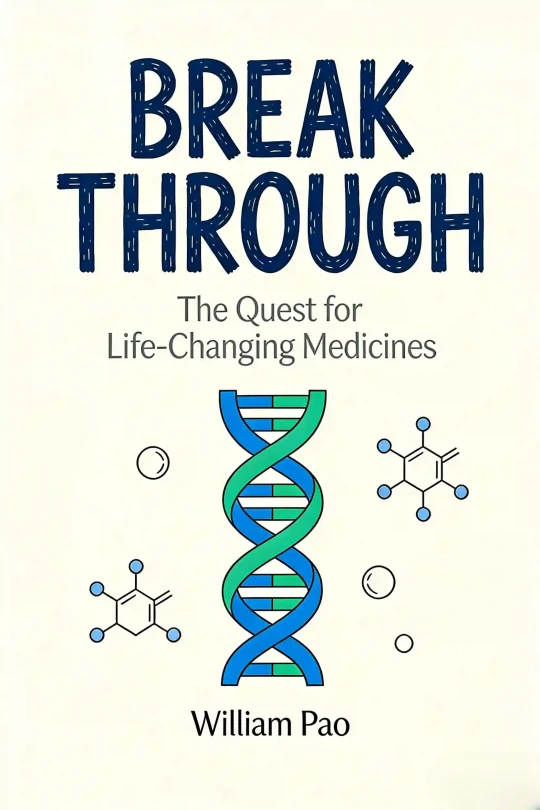
Breakthrough: The Quest for Life-Changing Medicines
Dr William Pao

The Artist's Way
Julia Cameron
The Crash Course
Chris Martenson

Just Listen: Discover the Secret to Getting Through to Absolutely Anyone
Mark Goulston

How to Win Friends & Influence People
Dale Carnegie
The Book of Basketball: The NBA According to The Sports Guy
Bill Simmons

The Psychology of Money: Timeless Lessons on Wealth, Greed, and Happiness
Morgan Housel

Permanent Record
Edward Snowden

The Almanack of Naval Ravikant
Naval Ravikant, Eric Jorgenson