
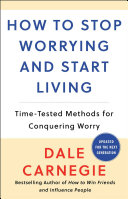
How to Stop Worrying and Start Living
"A pragmatic manual for dismantling the corrosive habit of worry by confronting reality and living in day-tight compartments."
Nook Talks
- 1Live in day-tight compartments to quarantine anxiety. Carnegie advocates for a radical temporal discipline, insisting that worry evaporates when we confine our attention and effort strictly to the present twenty-four hours, refusing to borrow trouble from tomorrow.
- 2Accept the inevitable rather than fight it. The book posits that a significant portion of mental anguish stems from resisting unchangeable facts. True peace begins with the stoic command to 'be willing to have it so,' thereby conserving emotional energy for constructive action.
- 3Apply a rational, analytical process to your worries. Worry is demystified through a three-step formula: define the problem clearly, analyze its causes and potential outcomes, then decide on a course of action and execute it without looking back.
- 4Cultivate a mental attitude that crowds out worry. Carnegie prescribes active engagement—keeping busy, finding interest, and fostering enthusiasm—as a psychological antidote. A preoccupied mind has no room for the idle, destructive cycles of anxiety.
- 5Recognize that worry inflicts profound physical damage. The text grounds its argument in a stark physiological reality: chronic worry is a primary cause of fatigue, nervous disorders, and ulcers, making its management a necessity for bodily health, not merely peace of mind.
- 6Stop fretting over criticism and focus on self-improvement. The book advises developing a thick skin against unjust criticism while remaining open to constructive feedback. The ultimate defense is a clear conscience and continuous effort toward one's own standards.
Dale Carnegie's 'How to Stop Worrying and Start Living' is a foundational text in the self-help canon, a direct and systematic assault on the universal human affliction of anxiety. Published in the shadow of the Great Depression and World War II, it addresses a profound need for psychological resilience, offering not abstract philosophy but a toolkit of 'formulas' designed for immediate application. Carnegie positions worry as a corrosive habit that can be broken, framing the pursuit of a worry-free life as a practical skill akin to mastering public speaking or building relationships.
Carnegie structures his argument around a series of core principles, each illustrated with copious anecdotes from historical figures, business leaders, and ordinary individuals. He introduces the concept of 'day-tight compartments,' urging readers to seal off the past and future to live wholly in the present. A significant portion of the work is devoted to analytical methods for problem-solving, teaching readers to dissect a worry, assess its worst possible outcome, and then systematically prepare to accept it. This rational process is meant to strip worry of its emotional power and convert it into a manageable logistical challenge.
The book extends beyond mental technique into the realm of attitude and lifestyle. Carnegie advocates for cultivating a positive mental state by keeping intensely busy, developing enthusiasms, and refusing to waste energy on futile resentment or fear of criticism. He draws a direct, alarming line between chronic worry and physical deterioration, citing fatigue, nervous breakdowns, and digestive ailments as its common wages. This connection elevates the book's mission from mere mood enhancement to one of vital self-preservation and health maintenance.
Carnegie's legacy lies in his democratization of psychological well-being. 'How to Stop Worrying and Start Living' is targeted at anyone feeling overwhelmed by life's pressures—the businessperson, the homemaker, the student. Its enduring significance stems from its actionable, no-nonsense approach, translating complex emotional struggles into a sequence of clear, executable steps. It remains a cornerstone of pragmatic, applied psychology for generations seeking to replace anxiety with purposeful action.
Readers consistently praise the book for its timeless, actionable wisdom, finding Carnegie's direct, anecdote-rich style both comforting and galvanizing. The central techniques—particularly living in the present and analyzing worries rationally—are hailed as profoundly effective life tools. A minor critique, noted by some, is the book's occasionally dated language and examples, but this is overwhelmingly overshadowed by the perceived universality and immediate utility of its core principles. The consensus is one of gratitude for a practical guide that delivers on its ambitious title.
- 1The profound effectiveness of the 'day-tight compartments' concept for managing daily anxiety and overwhelm.
- 2Debate over the book's timeless relevance versus its occasionally dated cultural references and anecdotes.
- 3Comparison to Carnegie's more famous work, 'How to Win Friends and Influence People,' with discussions on which is more impactful.
- 4The practical utility of the analytical 'worry formula' for breaking down complex problems into manageable steps.

Boom: Bubbles and the End of Stagnation
Byrne Hobart

Out of Control
Kevin Kelly

Breakthrough: The Quest for Life-Changing Medicines
Dr William Pao

The Essays of Warren Buffett: Lessons for Corporate America
Lawrence A. Cunningham, Warren Buffett
The Art of Contrarian Trading
Carl Futia
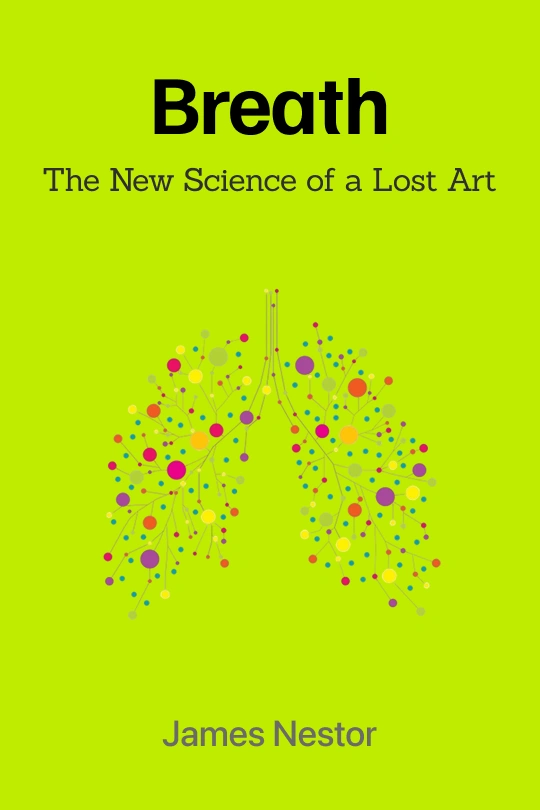
Breath: The New Science of a Lost Art
James Nestor

The Psychology of Money: Timeless Lessons on Wealth, Greed, and Happiness
Morgan Housel
The Creative Habit
Twyla Tharp, Mark Reiter

Just Listen: Discover the Secret to Getting Through to Absolutely Anyone
Mark Goulston

Chip War: The Quest to Dominate the World's Most Critical Technology
Chris Miller
The Crash Course
Chris Martenson
Stumbling on Happiness
Daniel Gilbert