
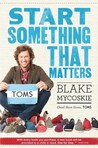
Start Something That Matters
"Build a profitable venture that aligns with your deepest values and generates tangible social impact."
- 1Integrate giving into your business model from day one. Philanthropy should not be an afterthought or a marketing tactic. The TOMS One-for-One model demonstrates that charitable giving can be the core operational engine, creating a self-sustaining cycle of commerce and aid that defines the brand's identity.
- 2Embrace resourcefulness over abundant resources. Constraints breed creativity. Starting with limited capital forces a focus on lean operations, compelling storytelling, and authentic community engagement, which often proves more powerful than traditional advertising or large-scale funding.
- 3Your core story is your most valuable asset. A genuine, compelling narrative about why the venture exists creates deeper customer connection than any product feature. This story must be authentic, consistently communicated, and lived by everyone in the organization to build trust and loyalty.
- 4Prioritize simplicity in mission, product, and operations. Complexity dilutes focus and impact. A clear, singular mission—like providing shoes—allows for decisive action, measurable results, and a message that employees and customers can instantly understand and champion.
- 5Overcome fear by starting small and taking the first step. Paralysis often stems from the perceived scale of a problem. The act of beginning, however modestly, generates momentum, provides practical lessons, and transforms abstract anxiety into manageable challenges that can be solved iteratively.
- 6Build a community, not just a customer base. A mission-driven venture thrives on shared purpose. Engage stakeholders—customers, employees, beneficiaries—as participants in the story. This transforms transactions into relationships and creates advocates who will sustain the enterprise through word-of-mouth.
Blake Mycoskie’s Start Something That Matters dismantles the conventional dichotomy between profit and purpose, arguing that the most sustainable and fulfilling ventures arise from their fusion. It is not a theoretical business text but a field manual derived from the explosive growth of TOMS Shoes, built on the radical One-for-One model: for every pair sold, a new pair is given to a child in need. The book positions this as more than charity; it is a fundamental reimagining of how a company can operate, where social impact is the engine of commerce rather than its byproduct.
Mycoskie structures his argument around six actionable principles: Find Your Story, Face Your Fears, Be Resourceful, Keep It Simple, Build Trust, and Giving Is Good Business. Each is illustrated with candid anecdotes from TOMS’s journey—from its conception during a Argentine vacation to its global scaling—and supplemented by case studies from kindred organizations like charity: water, Method, and FEED Projects. The narrative demystifies entrepreneurship, emphasizing that one need not have industry expertise or vast capital, but rather a clear mission and the willingness to begin.
The book operates on two interconnected levels. It is a practical guide to launching a mission-driven enterprise, covering everything from crafting a core narrative to navigating early failures. Simultaneously, it is a philosophical treatise advocating for a new capitalism, one measured not solely by shareholder returns but by its capacity to address human needs. Mycoskie argues that this integrated approach is not a sacrifice but a competitive advantage, attracting talent, fostering customer loyalty, and creating a resilient, meaningful brand.
Start Something That Matters targets a generation of aspiring entrepreneurs, intrapreneurs, and nonprofit founders who reject the choice between a successful career and a conscientious life. Its legacy lies in popularizing the ‘social enterprise’ model, providing a tangible, replicable blueprint for building a business that is economically viable while serving as a direct force for good in the world. It is a call to action that is both inspirational and rigorously pragmatic.
The critical consensus celebrates the book's authentic, humble, and unexpectedly substantive narrative. Readers, even skeptics, are disarmed by Mycoskie's candid admission of failures and his shameless optimism grounded in real experience. It is praised as a streamlined, practical guide that transcends typical inspirational business fluff, offering tangible lessons on storytelling and resourcefulness. The primary critique centers not on the book's content but on its underlying model, with some questioning the long-term efficacy and economic impact of the One-for-One charitable approach.
- 1The authenticity of Mycoskie's narrative and his humble admission of real business failures, which readers found refreshing compared to typical self-aggrandizing business memoirs.
- 2Debate over the TOMS One-for-One model's efficacy and sustainability as a form of aid, with some praising its simplicity and others critiquing its potential negative impact on local economies.
- 3The book's value as a practical, actionable guide for starting a mission-driven venture versus being merely an inspirational but shallow motivational text.
Stumbling on Happiness
Daniel Gilbert
The Art of Contrarian Trading
Carl Futia

Breakthrough: The Quest for Life-Changing Medicines
Dr William Pao

How to Win Friends & Influence People
Dale Carnegie
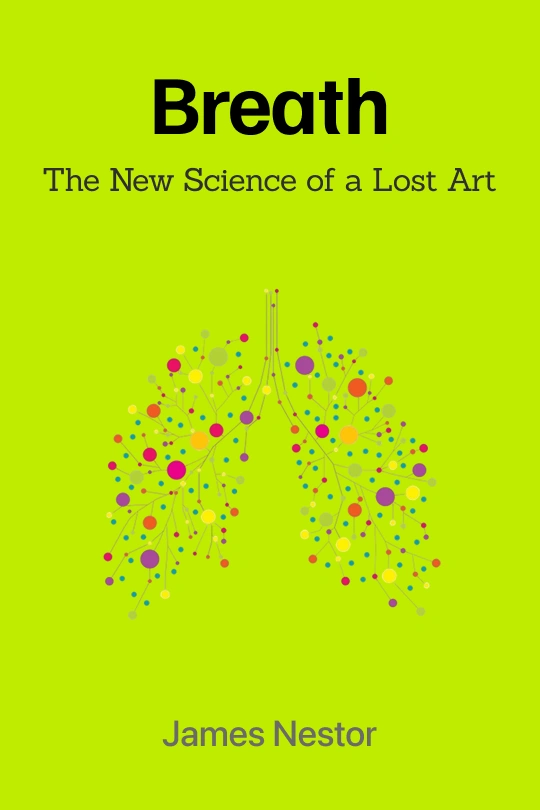
Breath: The New Science of a Lost Art
James Nestor

The Intelligent Investor
Benjamin Graham

The Psychology of Money: Timeless Lessons on Wealth, Greed, and Happiness
Morgan Housel

Code: The Hidden Language of Computer Hardware and Software
Charles Petzold
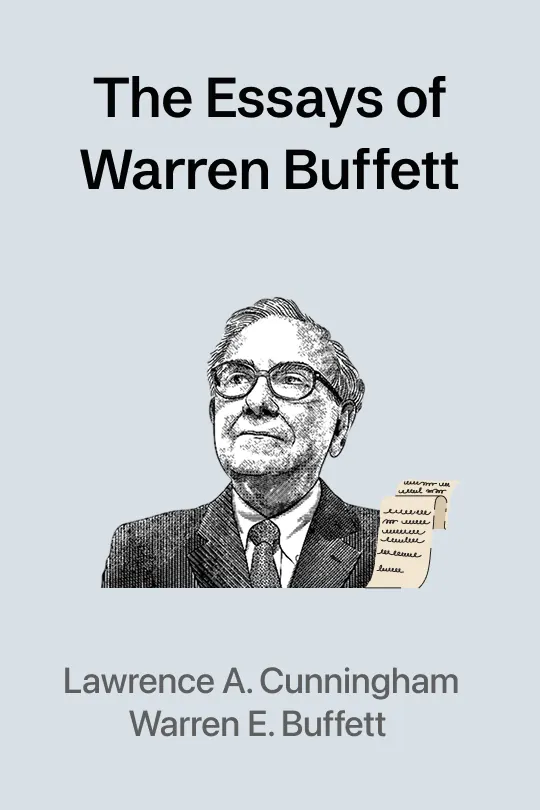
The Essays of Warren Buffett: Lessons for Corporate America
Lawrence A. Cunningham, Warren Buffett

The Fifth Discipline
Peter M. Senge

The Artist's Way
Julia Cameron

Permanent Record
Edward Snowden