
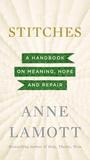
Stitches: A Handbook on Meaning, Hope, and Repair
"A quiet companion for mending a fractured life, offering solace through shared vulnerability rather than easy answers."
- 1Embrace imperfection as the foundation for repair. Healing begins by accepting our inherent brokenness, not by striving for an impossible wholeness. The act of gathering our tattered pieces is itself the first stitch of meaning.
- 2Find meaning in the small, deliberate act of stitching. Grand solutions are illusions; hope is built incrementally through daily, conscious actions. Each small choice to connect or create becomes a stitch in life's larger quilt.
- 3Prioritize presence and witness over platitudes. True comfort in grief comes from silent, shared acknowledgment, not theological explanations. Being a quiet companion who 'walks another home' holds more power than empty reassurance.
- 4Locate spirituality in everyday, frazzled reality. The sacred is not separate from chaos but woven within it. Spiritual identity is recovered by attending to mundane moments amidst life's frantic pace and personal devastation.
- 5Use narrative and shared story as tools for healing. Baring one's own damaged soul invites others to recognize their fractures. This mutual vulnerability creates warmth and connection, transforming personal pain into communal resilience.
In a world perpetually unspooling into chaos and catastrophe, Anne Lamott’s Stitches posits a radical, gentle alternative to grand philosophical solutions: the humble, incremental act of repair. This is not a treatise on fixing what is broken but a handbook on how to live alongside the breaks, how to gather the torn shreds of our emotional and spiritual fabric after personal loss or public tragedy. Lamott frames modern life as a quilt in tatters, arguing that meaning is not found in a pristine, pre-lapsarian state, but in the patient, deliberate work of sewing it back together, one stitch at a time.
Lamott eschews abstract theory for grounded, autobiographical reflection, drawing from her own experiences with faith, family, and failure. The methodology is narrative and analogical, using the metaphor of stitching—a slow, hands-on craft—to illustrate how we rebuild peace and recapture balance. She guides the reader through the process of identifying which threads in life are still strong, which connections are worth salvaging, and how to begin weaving them into a new, functional whole. The focus is on the micro-actions: the phone call made, the walk taken, the moment of quiet observed amidst the noise.
The book operates in the space between traditional religious consolation and secular self-help, informed by Lamott’s idiosyncratic Christian faith yet generously inclusive. It references figures like Ram Dass to underscore a universalist theme of companionship on a difficult journey. The core argument is that our spiritual identities are forged not in isolation or in dogmatic certainty, but in the frazzled, daily choice to show up, pay attention, and extend a hand.
Stitches is ultimately a work of practical spirituality for the weary and disillusioned. Its target audience is anyone who has felt life lurch out of balance and seeks not a sweeping answer but a companionable guide. Its legacy lies in its quiet insistence that strength and humanity are embedded not in the grand design, but in the imperfect, loving stitches that hold our shared quilt together.
The consensus embraces Lamott as a uniquely comforting, non-prescriptive voice for the wounded. Readers cherish her raw vulnerability and the book's core metaphor of incremental repair, finding profound solace in its permission to be imperfect. Criticism, often mild, centers on a desire for deeper exploration and a recognition that her emotionally resonant, narrative approach deliberately sidesteps intellectual rigor, which some find limiting. It is universally regarded as an accessible, heartfelt balm rather than a philosophical manual.
- 1The unique power of Lamott's vulnerable, soul-baring narrative as a catalyst for personal healing.
- 2The effectiveness of the 'stitching' metaphor for conceptualizing incremental recovery from loss and chaos.
- 3Appreciation for her gracious, inclusive spiritual perspective that comforts beyond specific religious dogma.
- 4Debate over the book's brevity and a desire for more substantial exploration of its themes.
- 5The value of her work as a quiet companion offering witness, versus a text providing actionable solutions.
The Art of Contrarian Trading
Carl Futia
Stumbling on Happiness
Daniel Gilbert
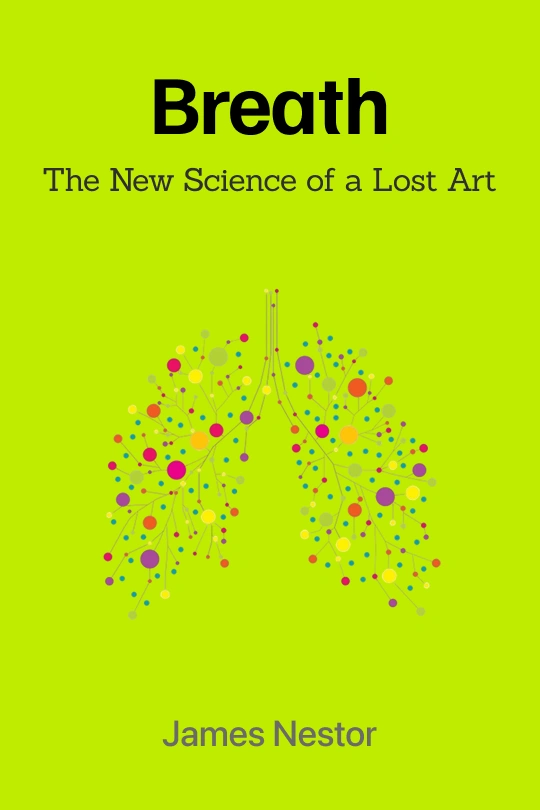
Breath: The New Science of a Lost Art
James Nestor
How to Win Friends & Influence People
Dale Carnegie

The Artist's Way
Julia Cameron

The Road to Financial Freedom
Bodo Schäfer
Transformation in Christ
Dietrich Von Hildebrand

Chip War: The Quest to Dominate the World's Most Critical Technology
Chris Miller
Blueprints: How mathematics shapes creativity
Marcus du Sautoy
Boom: Bubbles and the End of Stagnation
Byrne Hobart
Breakthrough: The Quest for Life-Changing Medicines
Dr William Pao
The Norwegian Method
Brad Culp