
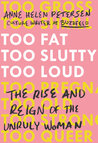
Too Fat, Too Slutty, Too Loud: The Rise and Reign of the Unruly Woman
"Reveals how female celebrities weaponize their perceived flaws to dismantle the narrow confines of acceptable womanhood."
- 1Unruliness is a strategic performance of power. The book argues that behaviors labeled as excessive—loudness, sexual openness, physical size—are deliberate acts of defiance. These performances reclaim agency and expand the cultural space available to all women.
- 2Celebrity culture is the modern battleground for gender norms. High-profile women become lightning rods for societal anxieties. The intense public scrutiny and punishment they face for transgressing roles reveal the underlying rules governing female behavior in the mainstream.
- 3The media pathologizes female ambition and success. Powerful women are systematically framed as monstrous, hysterical, or unnatural. This narrative machinery works to contain their influence and reinforce the idea that true power remains a masculine domain.
- 4Intersectionality dictates the price of unruliness. A woman’s race, class, and body type determine the severity of the backlash she receives. The book illustrates how Black women, like Serena Williams, face a compounded, racially coded criticism for the same acts of defiance.
- 5The 'unruly woman' archetype creates a new cultural lexicon. By analyzing figures from Nicki Minaj to Hillary Clinton, Petersen provides a framework for understanding female resistance. This lexicon allows us to decode public discourse and recognize subversion where it is often dismissed as mere scandal.
In Too Fat, Too Slutty, Too Loud, cultural critic Anne Helen Petersen constructs a penetrating taxonomy of modern female celebrity through the lens of unruliness. Moving beyond mere gossip, the book posits that the most controversial women in the public eye are not mere outliers but central figures in a silent, ongoing revolution. They are the ones who refuse to be quiet, small, or agreeable, and in doing so, they expose and test the brittle boundaries of permissible femininity.
Petersen employs a case-study method, devoting each chapter to a specific transgression embodied by a famous woman: Serena Williams is "Too Strong," Kim Kardashian is "Too Pregnant," Nicki Minaj is "Too Slutty," and so on. This structure allows for a deep, nuanced examination of how each archetype—the shrill woman, the fat woman, the gross woman—triggers specific societal anxieties. The analysis dissects the media narratives that attempt to pathologize these women, revealing the coded language and double standards that seek to contain their power and influence.
The book operates at the intersection of celebrity studies, feminist theory, and cultural criticism, arguing that these pop culture spectacles are where the work of negotiating gender norms happens most visibly. Petersen traces how public love and hatred for these figures are not random but systematic reactions to perceived threats against the patriarchal order. The unruly woman, by claiming space and refusing apology, becomes a provocative and powerful model of resistance.
Ultimately, this is a work about the mechanics of fame and the price of defiance in the digital age. It is essential reading for anyone seeking to understand the evolving landscape of female power, the relentless scrutiny of women's bodies and choices, and how the figures we love to debate are actively rewriting the rules of what it means to be a woman in public life.
Readers praise the book's sharp, accessible cultural analysis and its compelling framework for understanding celebrity feminism. The chapter-based structure is widely appreciated for making complex ideas digestible. However, a significant contingent of critics finds the analysis occasionally superficial, wishing for deeper theoretical grounding beyond the BuzzFeed-style vignettes. Some also note a repetitive pattern in the case studies, desiring more variation in the types of unruliness examined.
- 1The book's accessible, BuzzFeed-inspired tone: celebrated for being engaging by some, critiqued as intellectually lightweight by others.
- 2The selection and analysis of specific celebrities, particularly the chapters on Kim Kardashian and Lena Dunham, sparking debate over their cultural impact.
- 3Whether the 'unruly woman' framework is a robust analytical tool or a catchy but reductive marketing label.
- 4Discussions on which modern figures were omitted and how their inclusion might have strengthened or altered the book's thesis.
Out of Control
Kevin Kelly

How to Win Friends & Influence People
Dale Carnegie
Sapiens: A Brief History of Humankind
Yuval Noah Harari
Stumbling on Happiness
Daniel Gilbert
Breath: The New Science of a Lost Art
James Nestor
The Creative Habit
Twyla Tharp, Mark Reiter
The Crash Course
Chris Martenson

The Almanack of Naval Ravikant
Naval Ravikant, Eric Jorgenson
The Book of Basketball: The NBA According to The Sports Guy
Bill Simmons
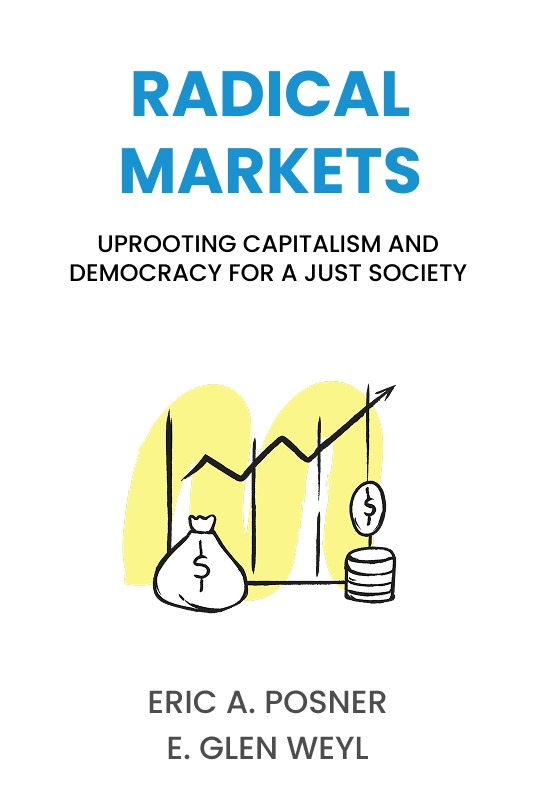
Radical Markets: Uprooting Capitalism and Democracy for a Just Society
Eric A. Posner, E. Glen Weyl

Amusing Ourselves to Death: Public Discourse in the Age of Show Business
Neil Postman

Code: The Hidden Language of Computer Hardware and Software
Charles Petzold