
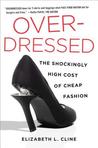
Overdressed: The Shockingly High Cost of Cheap Fashion
"Reveals how cheap clothing dismantled craftsmanship, fueled environmental waste, and trapped us in a cycle of disposable identity."
- 1Treat clothing as a durable good, not a disposable commodity. The fast-fashion model has psychologically recast garments as ephemeral purchases, divorcing us from the value of longevity and craftsmanship inherent in traditional apparel consumption.
- 2Understand the true economic and human cost behind low price tags. Rock-bottom prices are sustained by globalized supply chains that externalize costs onto overseas garment workers and domestic manufacturing sectors, eroding middle-class stability.
- 3Recognize fast fashion's catastrophic environmental footprint. The industry generates massive textile waste that overwhelms charity thrift systems and landfills, while its production processes pollute waterways and consume disproportionate resources.
- 4Cultivate a personal style independent of micro-trends. Escaping the buy-and-toss cycle requires rejecting the homogenized, low-quality uniformity of fast fashion in favor of garments that reflect individual taste and sustain long-term wear.
- 5Reclaim the lost arts of mending, altering, and sewing. Developing basic garment-care skills restores agency over one's wardrobe, extends clothing lifespan, and reconnects the wearer to the material reality and history of their possessions.
- 6Support independent designers and sustainable retail models. Conscious consumerism directs capital toward innovators who prioritize ethical production, quality materials, and timeless design over volume and ephemeral novelty.
Elizabeth Cline’s 'Overdressed' is a forensic investigation into the fast-fashion revolution that has radically reshaped the American wardrobe over the past two decades. It begins as a personal confession: Cline, once an ardent bargain hunter lugging home seven identical pairs of shoes, uses her own conversion narrative to frame a systemic critique. The book traces the rise of retailers like H&M, Forever 21, and Zara, whose high-volume, low-price model transformed clothing from a considered investment into a disposable, impulse-driven commodity. This shift did not occur in a vacuum; it coincided with the erosion of trade barriers and the offshoring of apparel manufacturing, creating a perfect storm of cheap global labor and relentless consumer demand for novelty.
Cline meticulously documents the collateral damage of this system. She travels to factories in China and Bangladesh, revealing the human cost of our cheap chic, and tracks the demise of America’s domestic garment industry and the middle-market retailers that once supported it. The analysis extends to the degradation of quality and design, as the pressure to cut costs sacrifices fabric integrity, construction, and originality, resulting in a homogenized landscape of poorly made, trend-driven items. The book argues that this model has effectively deskilled the consumer, replacing an understanding of fit and fabric with a passive acceptance of planned obsolescence.
The narrative then follows the downstream consequences, exploring the staggering waste stream created by our discarded garments. Cline investigates the overwhelmed charity thrift shops and failing textile recycling initiatives, painting a stark picture of a linear economy with no viable endpoint. She contrasts this with the historical norm, where sewing and garment care were essential domestic skills, and clothing was repaired, altered, and valued across its lifespan.
Ultimately, 'Overdressed' is a manifesto for a more intentional relationship with what we wear. It targets the conscious consumer, the environmental advocate, and anyone questioning the true price of a bargain. Cline concludes not with despair but with a pragmatic guide to reform, advocating for the support of sustainable designers, the revival of mending and sewing, and a philosophical return to the ideal of a curated, lasting wardrobe. The book’s legacy lies in its power to make the invisible infrastructure of fashion visible, challenging readers to become ethical participants rather than mere endpoints in a destructive chain.
Readers praise the book as a vital, eye-opening exposé that permanently alters shopping habits and fosters greater consumer consciousness. The personal narrative is found compelling and relatable, providing an accessible entry point to complex global issues. Criticisms focus on a perceived lack of depth in the solutions offered, with some noting the work feels more descriptive of the problem than prescriptive for systemic change. A minority find the tone occasionally repetitive, but the consensus affirms its value as a foundational and transformative text for anyone seeking to understand modern apparel consumption.
- 1The book's lasting impact on personal consumption habits and whether it leads to sustainable change or temporary guilt.
- 2Debate over the practicality and accessibility of the solutions offered, such as mending clothes or buying from sustainable designers.
- 3The effectiveness of Cline's personal anecdotal approach versus a more strictly journalistic or data-driven methodology.
- 4Discussion on the systemic economic pressures that make cheap fashion a rational choice for budget-constrained consumers.

The Psychology of Money: Timeless Lessons on Wealth, Greed, and Happiness
Morgan Housel
The Creative Habit
Twyla Tharp, Mark Reiter

The Artist's Way
Julia Cameron
Stumbling on Happiness
Daniel Gilbert

The Almanack of Naval Ravikant
Naval Ravikant, Eric Jorgenson

Amusing Ourselves to Death: Public Discourse in the Age of Show Business
Neil Postman
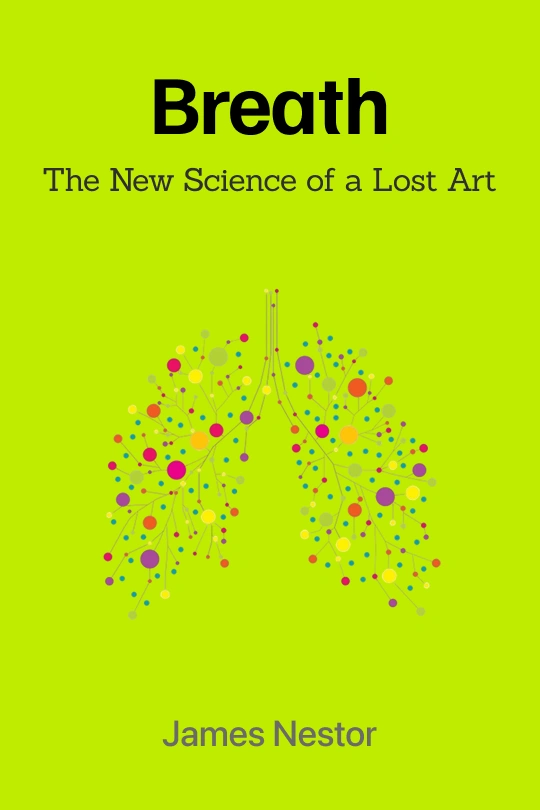
Breath: The New Science of a Lost Art
James Nestor

Permanent Record
Edward Snowden
Bad Samaritans
Ha-Joon Chang
Radical Markets: Uprooting Capitalism and Democracy for a Just Society
Eric A. Posner, E. Glen Weyl
The Lessons of History
Will Durant

How to Win Friends & Influence People
Dale Carnegie