
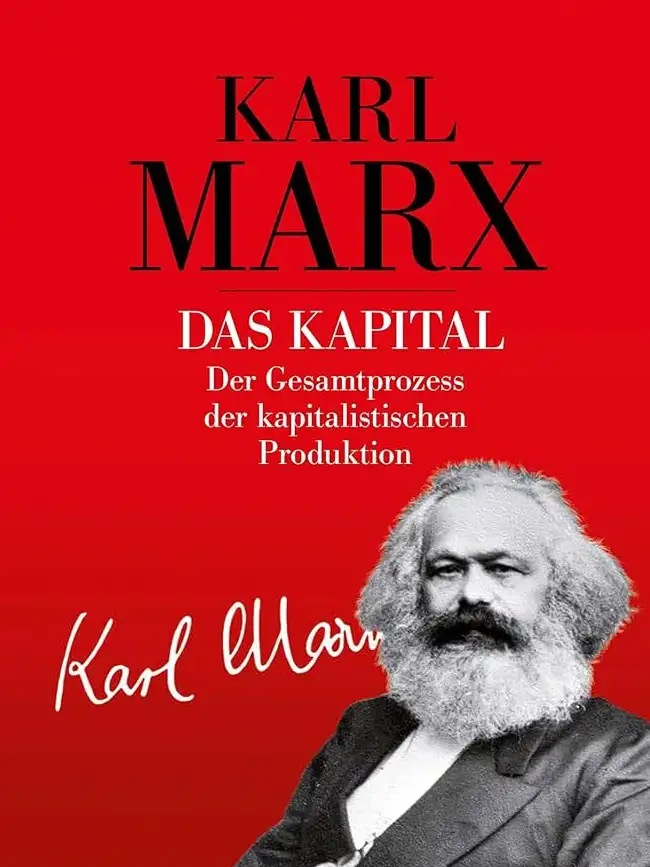
Capital, Vol 1: A Critical Analysis of Capitalist Production
"It reveals how capital is not a thing, but a social relation built on the systematic extraction of unpaid labor."
- 1[object Object]
- 2[object Object]
- 3[object Object]
- 4[object Object]
- 5[object Object]
- 6[object Object]
Karl Marx's Capital, Volume I is a monumental critique of the political economy, dissecting the inner workings and historical genesis of the capitalist mode of production. It begins not with grand theories of class, but with a meticulous analysis of the commodity—the economic cell form of bourgeois society. Marx peels back the layers of the commodity to reveal its dual nature of use-value and exchange-value, introducing the pivotal concept of commodity fetishism, where social relations between producers are mystified as relations between objects.
From this foundation, Marx develops his labor theory of value, arguing that the value of a commodity is determined by the socially necessary labor time required for its production. The core of his argument unfolds in the transformation of money into capital. This occurs when the capitalist purchases the unique commodity of labor-power. The worker's labor creates value greater than the cost of their wage; this difference, the surplus value, is the hidden source of profit and the engine of capital's relentless self-expansion. The book then traces the brutal historical process of 'primitive accumulation'—the enclosure of commons, colonial plunder, and slavery—that created the two fundamental classes: propertyless workers and the owners of the means of production.
The latter sections provide a harrowing empirical and theoretical examination of the working day, the division of labor, and the role of machinery. Marx documents the capitalist's drive to prolong the working day and intensify labor, analyzing how machinery becomes a weapon for subduing worker autonomy, deskilling labor, and creating an industrial reserve army. He demonstrates how technological progress under capitalism does not liberate but further enslaves the worker to the rhythm of the machine.
Capital is far more than an economic treatise; it is a work of philosophy, history, and sociology that seeks to unveil the laws of motion of modern society. Its enduring significance lies in its rigorous methodology and its profound insight into the systemic contradictions and inherent crises of capitalism. The book is essential reading for anyone seeking to understand the structural forces that continue to shape global economic life, social inequality, and class dynamics.
The consensus positions this text as a foundational, intellectually demanding masterpiece. Readers praise its revelatory and systematic dissection of economic fundamentals, particularly the explanations of commodity fetishism and surplus value, which are described as transformative. The primary criticism centers on format, with many arguing the dense, citation-heavy analysis is ill-suited for audiobooks, creating a frustrating and repetitive listening experience that undermines comprehension.
- 1The audiobook format's severe limitations for a text dense with citations and complex arguments.
- 2Marx's core concept of surplus value as a brilliantly clarifying explanation for capitalist profit.
- 3The visceral application of Marx's critique to modern corporate giants like Amazon.
- 4The repetitive, almost hypnotic effect of key economic terminology in audio narration.

Code: The Hidden Language of Computer Hardware and Software
Charles Petzold

Chip War: The Quest to Dominate the World's Most Critical Technology
Chris Miller
The Creative Habit
Twyla Tharp, Mark Reiter
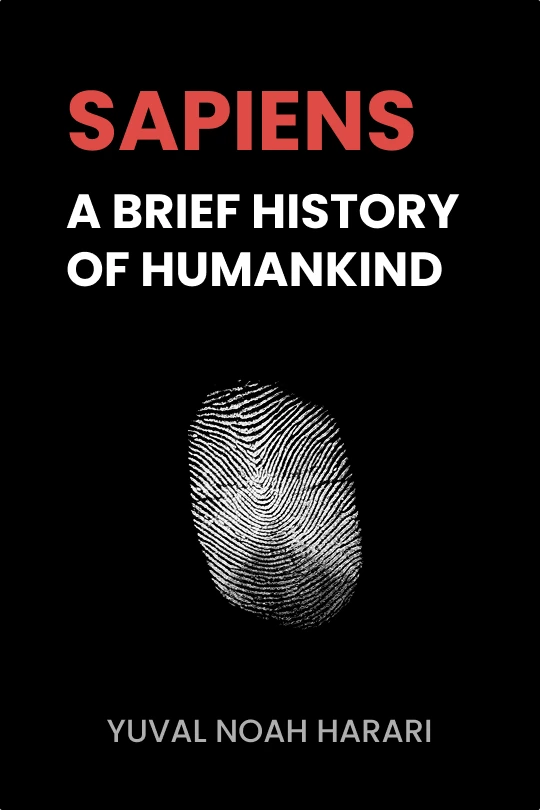
Sapiens: A Brief History of Humankind
Yuval Noah Harari

The Intelligent Investor
Benjamin Graham
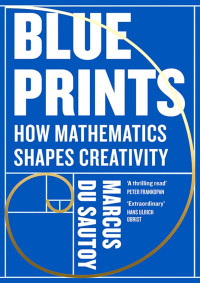
Blueprints: How mathematics shapes creativity
Marcus du Sautoy

The Psychology of Money: Timeless Lessons on Wealth, Greed, and Happiness
Morgan Housel

Out of Control
Kevin Kelly
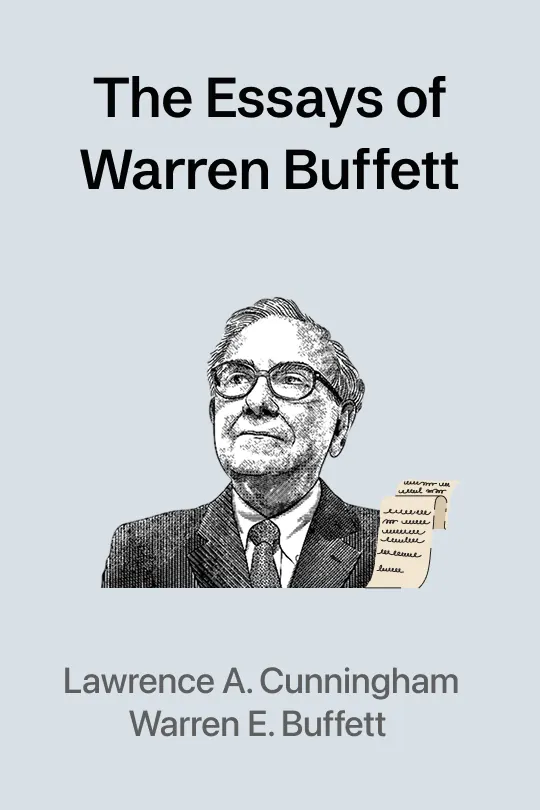
The Essays of Warren Buffett: Lessons for Corporate America
Lawrence A. Cunningham, Warren Buffett

Just Listen: Discover the Secret to Getting Through to Absolutely Anyone
Mark Goulston

Breakthrough: The Quest for Life-Changing Medicines
Dr William Pao
Transformation in Christ
Dietrich Von Hildebrand