
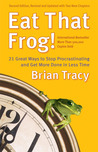
Eat That Frog!: 21 Great Ways to Stop Procrastinating and Get More Done in Less Time
"Conquer your most daunting task first to transform overwhelm into disciplined, high-impact productivity."
- 1[object Object]
- 2[object Object]
- 3[object Object]
- 4[object Object]
- 5[object Object]
- 6[object Object]
Brian Tracy’s Eat That Frog! distills decades of executive coaching and productivity research into a single, visceral metaphor: if you must eat a live frog, do it first thing in the morning. The frog represents that one task which, if completed, would have the most significant positive impact on your life or work. It is typically the largest, most complex, and most easily postponed item on your list—the very thing procrastination begs you to avoid. Tracy’s central thesis is that high achievement is less about doing more things and more about consistently doing the right things, in the right order, with focused intensity.
The book’s twenty-one concise chapters provide a systematic framework for this prioritization. Tracy introduces core principles like the Pareto Principle (the 80/20 rule), the ABCDE method for task ranking, and the Law of Three, which identifies the three activities that contribute most to your value. He advocates for meticulous daily planning, the power of written goals, and the concept of "creative procrastination"—deliberately neglecting tasks of low value. The methodology is built on the foundational triad of effective time management: decision (choosing your frog), discipline (developing the habit of tackling it), and determination (persisting until it is done).
This updated edition acknowledges the modern landscape of digital distraction. Tracy incorporates strategies for using technology proactively—setting reminders for important tasks, blocking time for deep work, and insulating oneself from the constant barrage of emails and social media. He emphasizes that willpower is a muscle that fatigues, making morning rituals and prepared environments critical for success. The advice is relentlessly action-oriented, stripping away theoretical complexity to focus on immediate, executable steps.
Eat That Frog! operates in the pragmatic tradition of personal efficiency manuals, targeting professionals, entrepreneurs, students, and anyone feeling overwhelmed by an endless to-do list. Its enduring appeal lies in its simplicity and psychological acumen; it reframes procrastination not as a character flaw but as a solvable problem of prioritization and habit formation. The book’s legacy is its transformation of an abstract desire for productivity into a concrete, daily practice of courageous task engagement.
The consensus positions this as a foundational, no-nonsense primer for those new to productivity systems. Readers praise its actionable, straightforward framework and the potency of its core metaphor, which provides a memorable mental model for overcoming daily resistance. Criticism centers on its perceived simplicity and repetitiveness, with seasoned readers of the genre finding it lightweight and offering little beyond common sense. The book is widely deemed highly accessible and immediately useful for beginners, but less compelling for those already versed in advanced time-management philosophies.
- 1The transformative power and memorability of the 'eat the frog' metaphor for overcoming procrastination.
- 2Debate over the book's value for beginners versus its lack of depth for advanced productivity enthusiasts.
- 3Appreciation for the actionable, step-by-step framework versus criticism of its overly simplistic and repetitive content.
- 4Discussion on applying the 80/20 rule and ABCDE method to identify and conquer truly impactful tasks.
Transformation in Christ
Dietrich Von Hildebrand
How to Win Friends & Influence People
Dale Carnegie
Boom: Bubbles and the End of Stagnation
Byrne Hobart
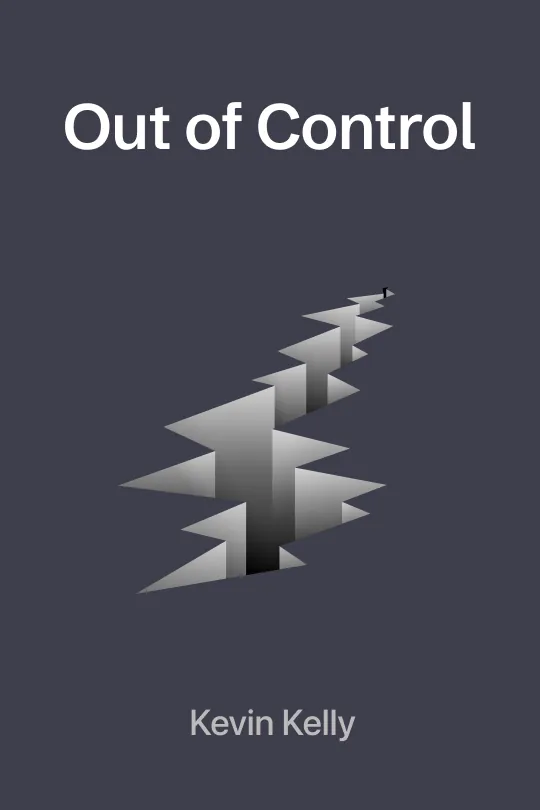
Out of Control
Kevin Kelly
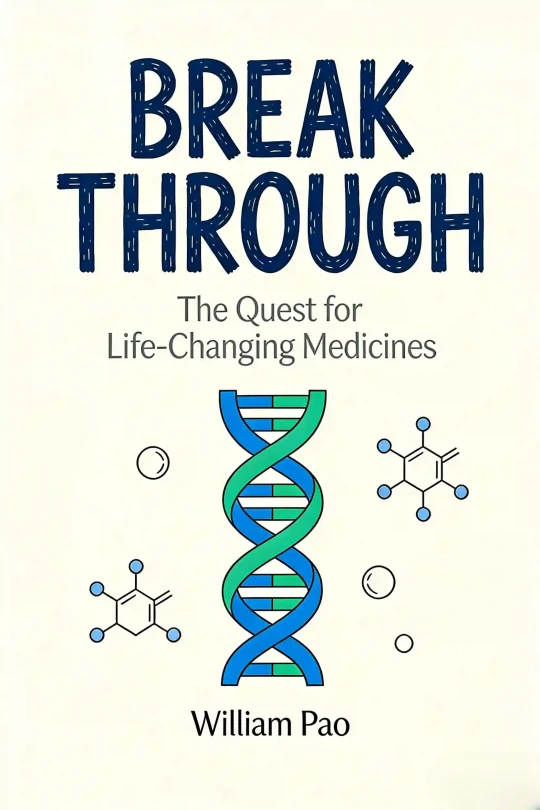
Breakthrough: The Quest for Life-Changing Medicines
Dr William Pao
The Crash Course
Chris Martenson
Stumbling on Happiness
Daniel Gilbert
Just Listen: Discover the Secret to Getting Through to Absolutely Anyone
Mark Goulston
The Road to Financial Freedom
Bodo Schäfer
The Artist's Way
Julia Cameron
Sapiens: A Brief History of Humankind
Yuval Noah Harari
Breath: The New Science of a Lost Art
James Nestor