
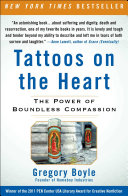
Tattoos on the Heart: The Power of Boundless Compassion
"Replaces the calculus of judgment with the radical, transformative practice of unconditional kinship."
- 1[object Object]
- 2[object Object]
- 3[object Object]
- 4[object Object]
- 5[object Object]
- 6[object Object]
From the gang-ravaged barrios of Los Angeles, Jesuit priest Gregory Boyle distills two decades of ministry into a series of luminous parables that reconfigure the very meaning of compassion. Tattoos on the Heart is not a sociological treatise nor a memoir of heroic service, but a theological excavation of the human spirit, arguing that the answer to societal brokenness lies not in programs but in the disruptive, sacred act of standing in kinship with the outcast.
Through narratives centered on individuals like Cesar, freshly released from prison and navigating a department store, or ten-year-old Lula seeking simple acknowledgment, Boyle illustrates a theology of radical welcome. The book meticulously documents the founding and philosophy of Homeboy Industries, a groundbreaking enterprise providing jobs and training to former gang members. Yet its core is the demonstration of 'boundless compassion'—a love that meets failure without judgment, sees worth before rehabilitation, and chooses connection over cure.
The essays, arranged thematically, explore concepts of shame, God, hope, and joy, consistently returning to the premise that no life is disposable. Boyle’s prose, erudite and streetwise, draws from scripture, poetry, and the raw vernacular of the streets to assert that the margins are the center of spiritual revelation. The work challenges readers to examine their own capacity for unconditional love, framing it not as a sentimental ideal but as the only practical response to a world fractured by violence and despair.
Its impact lies in its universal applicability; while rooted in Boyle’s Christian faith and the specific context of LA gangs, the principles of kinship and restorative love transcend doctrine. The book serves as an essential text for anyone engaged in social work, ministry, or activism, and a profound invitation to any reader seeking to live with greater courage and open-heartedness in a wounded world.
The critical consensus celebrates the book as a transformative, emotionally resonant masterpiece that defies expectations. Readers universally praise its profound humanity, unexpected humor, and capacity to dismantle prejudice, often describing it as life-changing. The primary critique, from a small minority, centers on a perceived repetitiveness in the parables or a desire for more structural analysis alongside the personal narratives. Its accessibility is noted as a strength, appealing equally to the secular and the devout through the power of its storytelling.
- 1The book's unique blend of profound spiritual insight with self-deprecating, street-smart humor that consistently elicits laughter and tears.
- 2Discussions on how the narratives challenge personal biases and judgments towards gang members, fostering empathy and self-reflection.
- 3Debates on the practicality of Boyle's model of 'boundless compassion' in one's own life and its scalability beyond Homeboy Industries.
- 4Reflections on the theological depth presented in accessible parables, resonating with readers across religious and non-religious backgrounds.

Permanent Record
Edward Snowden
The Crash Course
Chris Martenson

Code: The Hidden Language of Computer Hardware and Software
Charles Petzold

How to Win Friends & Influence People
Dale Carnegie

Amusing Ourselves to Death: Public Discourse in the Age of Show Business
Neil Postman

The Psychology of Money: Timeless Lessons on Wealth, Greed, and Happiness
Morgan Housel
The Art of Contrarian Trading
Carl Futia

The Almanack of Naval Ravikant
Naval Ravikant, Eric Jorgenson
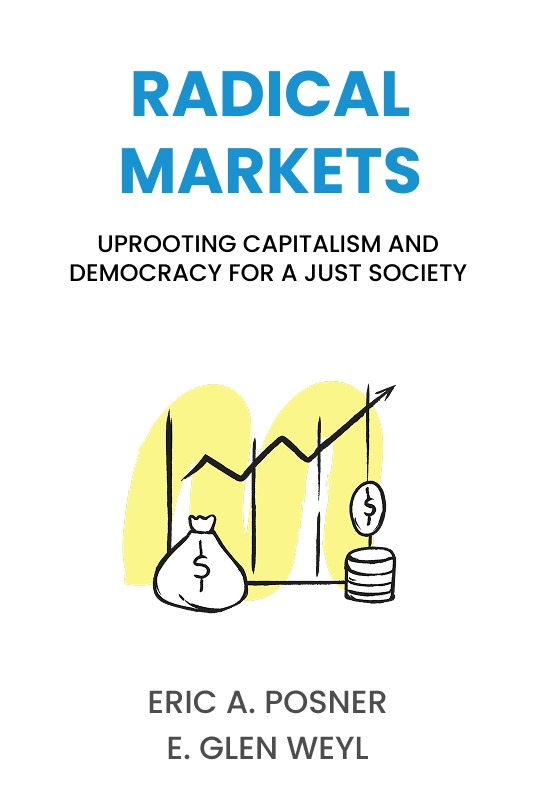
Radical Markets: Uprooting Capitalism and Democracy for a Just Society
Eric A. Posner, E. Glen Weyl
Transformation in Christ
Dietrich Von Hildebrand
The Creative Habit
Twyla Tharp, Mark Reiter
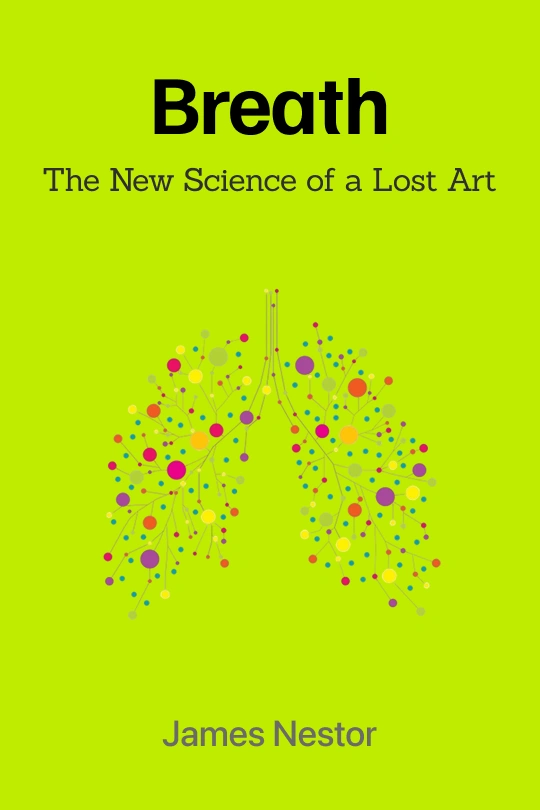
Breath: The New Science of a Lost Art
James Nestor