

The Millionaire Next Door: The Surprising Secrets of Americas Wealthy
"Wealth is built not through lavish income, but through disciplined frugality and consistent investment."
Nook Talks
- 1[object Object]
- 2[object Object]
- 3[object Object]
- 4[object Object]
- 5[object Object]
- 6[object Object]
The Millionaire Next Door dismantles the glittering facade of American wealth, replacing celebrity-fueled fantasies with a rigorously researched, data-driven portrait of genuine affluence. Based on the authors' landmark twenty-year study of high-net-worth individuals, the book reveals that the typical millionaire is not the flamboyant heir or high-flying executive of popular imagination, but more likely a modest business owner living in a middle-class neighborhood.
Through extensive surveys and interviews, Stanley and Danko identify the common behavioral traits of what they term Prodigious Accumulators of Wealth (PAWs). These individuals exhibit exceptional frugality, allocating their time, energy, and money with efficiency toward one primary goal: financial independence. They tend to drive used cars, shop at discount retailers, and avoid debt for depreciating assets, understanding that wealth is what you accumulate, not what you spend. The book meticulously contrasts them with Under Accumulators of Wealth (UAWs), high-income earners whose consumption patterns erode their potential for lasting security.
The analysis extends into family dynamics, examining how economic outpatient care—the financial support provided by wealthy parents—often cripples the fiscal discipline of adult children. It also explores occupational choices, noting that self-employment and owning a niche, often unglamorous business are common paths to wealth because they offer greater control over one's economic destiny.
Ultimately, the book's impact lies in its democratization of financial success. It argues that building wealth is accessible not through luck or extraordinary talent, but through a steadfast commitment to living below one's means, investing consistently, and valuing financial security over social approval. It remains a foundational text in personal finance, targeting anyone seeking a pragmatic, behavior-focused blueprint for achieving genuine economic freedom.
The consensus celebrates the book as a foundational, myth-shattering guide that permanently alters one's perception of wealth. Readers consistently praise its data-backed revelation that frugality and discipline, not flashy income, build net worth. Criticisms focus on its repetitive narrative, dated examples, and a dry, academic tone that some find tedious. While universally acknowledged as insightful, its accessibility is debated; some find it a life-changing manifesto, others a slog through self-evident truths.
- 1The life-altering impact of its core 'live below your means' philosophy versus critiques of its repetitive and dry presentation.
- 2Debate over the book's relevance decades later, with some finding its principles timeless and others citing outdated economic examples.
- 3Discussion on its effectiveness as a teaching tool for young adults to instill financial discipline and counter get-rich-quick mentalities.
- 4Analysis of the 'Prodigious Accumulator of Wealth' (PAW) archetype and self-reflection on one's own spending and saving habits.
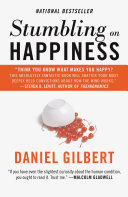
Stumbling on Happiness
Daniel Gilbert

How to Win Friends & Influence People
Dale Carnegie
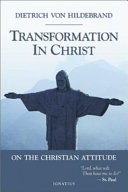
Transformation in Christ
Dietrich Von Hildebrand

Just Listen: Discover the Secret to Getting Through to Absolutely Anyone
Mark Goulston
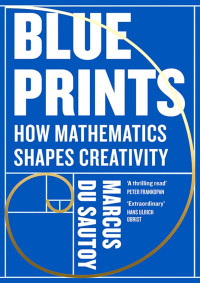
Blueprints: How mathematics shapes creativity
Marcus du Sautoy
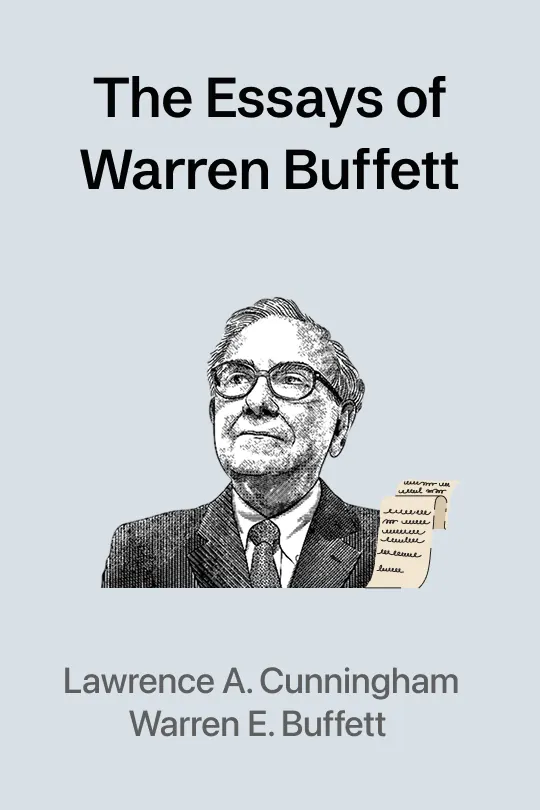
The Essays of Warren Buffett: Lessons for Corporate America
Lawrence A. Cunningham, Warren Buffett
The Norwegian Method
Brad Culp

The Artist's Way
Julia Cameron

The Almanack of Naval Ravikant
Naval Ravikant, Eric Jorgenson
Breath: The New Science of a Lost Art
James Nestor

Permanent Record
Edward Snowden
Boom: Bubbles and the End of Stagnation
Byrne Hobart