
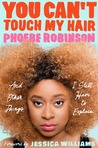
You Can't Touch My Hair: And Other Things I Still Have to Explain
"A razor-sharp, laugh-out-loud dissection of modern racism and pop culture that disarms with humor to deliver profound social truth."
- 1Treat black hair as a cultural artifact, not a public curiosity. The book frames natural black hair as a site of personal identity, political history, and artistic expression, making unsolicited touch or commentary a profound violation of bodily and cultural autonomy.
- 2Deconstruct pop culture through an intersectional feminist lens. Robinson uses references from U2 to 'Living Single' as entry points to analyze representation, stereotype, and the complex navigation of loving problematic media while critiquing its flaws.
- 3Employ humor as a strategic tool for difficult conversations. The essays demonstrate how comedy can lower defenses, create connection, and make challenging topics like racial microaggressions and privilege accessible without diluting their seriousness.
- 4Recognize the exhausting labor of constant cultural translation. For Black women, daily life involves explaining basic realities of racism and sexism to a oblivious majority—a draining, unpaid emotional labor the book vividly articulates.
- 5Assert the right to a complex, contradictory identity. Robinson champions the freedom to be a feminist who loves romantic comedies, a Black woman who adores Billy Joel, rejecting monolithic expectations and embracing personal nuance.
Phoebe Robinson’s essay collection, 'You Can’t Touch My Hair,' arrives as a vital and uproarious document of contemporary Black womanhood, using the author’s life as a prism to refract issues of race, gender, and pop culture. It positions itself within a long tradition of Black humorists who wield wit as both a survival mechanism and a weapon of social critique, tackling the absurdities of modern bias with a conversational, referential style that feels like an intimate, if fiercely intelligent, podcast session.
Structured as a series of candid explorations, the book moves from the deeply personal politics of Black hair—a subject Robinson frames with historical context and palpable frustration—to broader analyses of representation in entertainment, workplace dynamics, and romantic relationships. Each essay is densely packed with cultural touchstones, from deep-cut nods to Lisa Bonet’s iconic status to critiques of Hollywood’s limited casting calls, creating a textured map of a specific millennial experience. The narrative voice is the engine here: unapologetically nerdy, self-deprecating, and direct, inviting the reader into a dialogue that is as much about shared fandom as it is about systemic critique.
The collection refuses to offer easy answers or sentimental reconciliation, instead sitting in the uncomfortable space where laughter and anger coexist. It dissects microaggressions with surgical precision, whether detailing the presumption of being a brand’s 'Black friend' or the coded language of being called 'uppity.' Robinson’s methodology is anecdotal yet analytically sharp, transforming personal vignettes—about being followed in stores, fielding ignorant questions, or navigating predominantly white creative industries—into universal arguments about dignity and perception.
Ultimately, the book’s significance lies in its accessibility and tonal mastery. It serves as an entry point for readers new to intersectional discourse while offering nuanced commentary that resonates with those well-versed in it. By marrying incisive critique with disarming charm, Robinson announces herself as a critical cultural observer, using humor not as a palliative but as a means to hold a mirror to society’s biases, demanding accountability without sacrificing joy or complexity.
The critical consensus celebrates Robinson’s authentic, hilarious voice and her ability to make weighty topics engaging and relatable. Readers consistently praise the book’s humor and heart, finding it both laugh-out-loud funny and emotionally resonant. A recurring critique, however, targets the essay collection’s occasional lack of narrative cohesion and a sense that some pieces feel more like expanded blog posts than fully realized chapters. Some also note the pop-culture references, while a strength, can date the material or overwhelm the core message. The verdict is overwhelmingly positive, positioning the book as a standout in the comedian-memoir genre for its successful blend of entertainment and substantive social commentary.
- 1The effectiveness and necessity of using humor as a primary tool for discussing systemic racism and personal trauma.
- 2Debates over the book's structural cohesion, with some finding the essays refreshingly standalone and others desiring a more unified narrative arc.
- 3Analysis of Robinson's specific pop-culture references—whether they brilliantly anchor her arguments or risk making the content feel prematurely dated.
- 4Comparisons to other comedian-authored memoirs, with this collection frequently praised for avoiding the clichés of the genre and maintaining a consistent comedic voice.

Amusing Ourselves to Death: Public Discourse in the Age of Show Business
Neil Postman
The Almanack of Naval Ravikant
Naval Ravikant, Eric Jorgenson
The Book of Basketball: The NBA According to The Sports Guy
Bill Simmons
Radical Markets: Uprooting Capitalism and Democracy for a Just Society
Eric A. Posner, E. Glen Weyl
Chip War: The Quest to Dominate the World's Most Critical Technology
Chris Miller
The Artist's Way
Julia Cameron
The Creative Habit
Twyla Tharp, Mark Reiter
The Essays of Warren Buffett: Lessons for Corporate America
Lawrence A. Cunningham, Warren Buffett
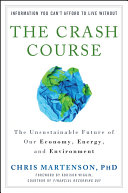
The Crash Course
Chris Martenson
The Psychology of Money: Timeless Lessons on Wealth, Greed, and Happiness
Morgan Housel
Code: The Hidden Language of Computer Hardware and Software
Charles Petzold
How to Win Friends & Influence People
Dale Carnegie