
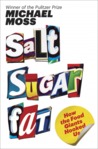
Salt Sugar Fat: How the Food Giants Hooked Us
"An exposé of the processed food industry's deliberate engineering of addictive products and the resulting public health crisis."
- 1Understand the engineered 'bliss point' for sugar. Food scientists precisely calibrate sugar levels to maximize palatability and consumption, creating a neurological reward response that mirrors addiction, making moderation physiologically difficult for consumers.
- 2Recognize fat's role in creating irresistible 'mouthfeel'. Fat is chemically manipulated not just for flavor but for texture, delivering a seductive sensory experience that is fundamental to the appeal and identity of processed snacks and meals.
- 3See salt as a primary tool for flavor masking and preservation. Excessive salt is used to cover the metallic or chemical off-notes of processed ingredients and extend shelf life, making it an indispensable, yet hidden, pillar of industrial food design.
- 4Trace the strategic adoption of tobacco industry marketing playbooks. Major food corporations borrowed tactics from Big Tobacco, including targeting children, funding favorable research, and using doubt to deflect criticism and stall regulatory action on health concerns.
- 5Acknowledge the government's complicity in creating food surpluses. Agricultural subsidies, particularly for corn and dairy, created massive surpluses of cheap raw materials like high-fructose corn syrup and cheese, which the industry was compelled to engineer into new products.
- 6Accept that the industry cannot fundamentally reform itself. Profit models are structurally dependent on salt, sugar, and fat; executives admit that producing genuinely healthy alternatives at scale would undermine the financial core of their businesses.
Michael Moss’s Salt Sugar Fat is not a diet manual but a forensic investigation into the rise of the processed food industry and its calculated manipulation of human biology. The book traces a decades-long campaign where corporate giants like Kraft, Coca-Cola, and Nestlé transformed the Western diet, engineering foods to exploit our innate cravings with scientific precision. Moss positions this not as a story of consumer weakness, but of industrial design, where the quest for market share deliberately trumped public health.
Through meticulous reporting, Moss infiltrates the industry’s inner sanctums. He details how food scientists deploy complex technology to pinpoint the "bliss point" for sugar—the exact concentration that maximizes pleasure without overwhelming the palate. He explains the sophisticated chemistry behind fat’s "mouthfeel," and reveals salt’s dual role as both a flavor enhancer and a cheap mask for the unpleasant tastes of processed ingredients. The narrative connects agricultural policy, like dairy subsidies that created a cheese glut, directly to product development, showing how economic pressures fuel dietary changes.
The book further draws damning parallels between Big Food and Big Tobacco, documenting the migration of marketing executives and crisis-management tactics. It highlights strategies of targeting children, co-opting nutrition experts, and using semantic lobbying to avoid regulation. Perhaps most strikingly, Moss interviews conscience-stricken industry insiders who confess the fundamental paradox: their companies are structurally incapable of offering healthier alternatives because their very existence depends on the triumvirate of salt, sugar, and fat.
Salt Sugar Fat stands as an essential work of economic and scientific journalism, revealing the manufactured nature of the modern obesity and diabetes epidemics. Its impact lies in shifting the blame from individual willpower to systemic, corporate engineering, making it a crucial text for anyone seeking to understand the true forces shaping what we eat and why changing those habits feels so profoundly difficult.
Readers unanimously praise the book as a revelatory and meticulously researched exposé, hailing it as an essential, eye-opening text that fundamentally alters one's relationship with grocery store aisles. The primary critique is not of the content but of its emotional weight; many find the revelations so disturbing and the corporate malfeasance so stark that it becomes a genuinely distressing, albeit necessary, read. The writing is commended for being accessible and narrative-driven, transforming complex science and economics into a compelling page-turner.
- 1The disturbing effectiveness of the 'bliss point' and its comparison to drug addiction, changing how readers view cravings.
- 2The revelation of direct marketing tactics aimed at children, sparking outrage and parental guilt.
- 3The book's lasting impact on personal shopping and cooking habits, with many vowing to avoid processed foods.
- 4Discussions about the government's role via subsidies in creating the cheap raw materials for unhealthy food.
- 5Debates on personal responsibility versus corporate accountability in the obesity epidemic.
Bad Samaritans
Ha-Joon Chang

Transformation in Christ
Dietrich Von Hildebrand
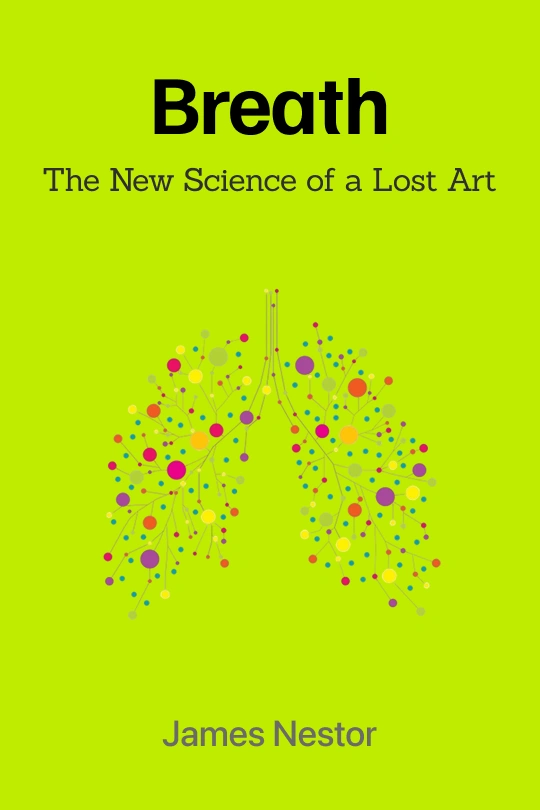
Breath: The New Science of a Lost Art
James Nestor

How to Win Friends & Influence People
Dale Carnegie
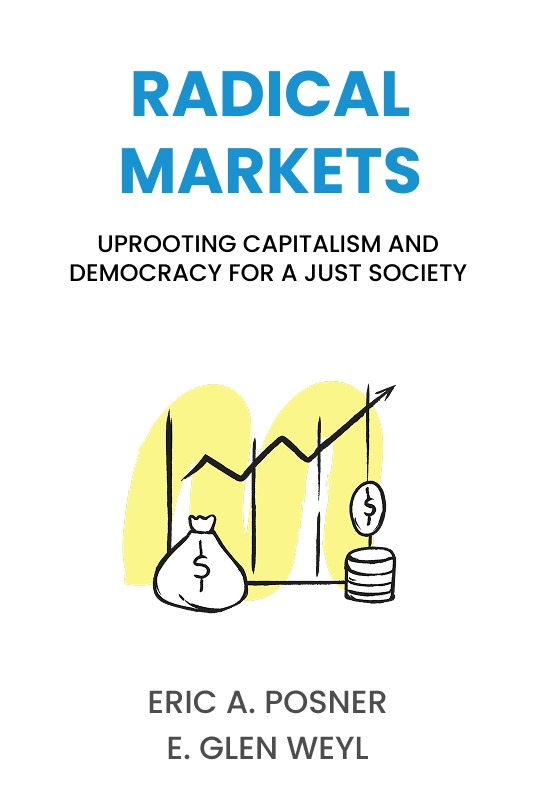
Radical Markets: Uprooting Capitalism and Democracy for a Just Society
Eric A. Posner, E. Glen Weyl

Permanent Record
Edward Snowden

Code: The Hidden Language of Computer Hardware and Software
Charles Petzold
The Art of Contrarian Trading
Carl Futia

Out of Control
Kevin Kelly

Amusing Ourselves to Death: Public Discourse in the Age of Show Business
Neil Postman
The Essays of Warren Buffett: Lessons for Corporate America
Lawrence A. Cunningham, Warren Buffett

Chip War: The Quest to Dominate the World's Most Critical Technology
Chris Miller