
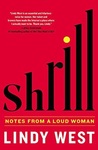
Shrill: Notes from a Loud Woman
"A manifesto for reclaiming your voice and body in a world that demands female silence and smallness."
- 1Reject the cultural mandate for female silence and smallness. The book argues that the pressure on women to be quiet, compliant, and physically diminutive is a tool of oppression. True liberation begins with the defiant act of speaking up and occupying space unapologetically.
- 2Treat fatness as a neutral fact, not a moral failing. West dismantles the pervasive bias that equates body size with character. She asserts that fat people deserve dignity, respect, and equitable treatment, free from societal scorn and medical prejudice.
- 3Understand that 'offensive' humor often reinforces systemic power. The critique of rape jokes is not about censorship but about analyzing who bears the cost of a laugh. Such humor normalizes violence and silences victims, perpetuating a culture of misogyny under the guise of edginess.
- 4Wield vulnerability and humor as tools of resilience. The memoir demonstrates that sharing painful, intimate experiences with wit is a form of strength. This alchemy disarms critics, forges connection, and allows one to process trauma without being defined by it.
- 5Recognize internet trolling as a targeted form of harassment. Online abuse is framed not as random chaos but as a systematic effort to intimidate and silence marginalized voices, particularly women. Surviving it requires understanding its political nature and refusing to capitulate.
- 6Frame abortion as a routine, morally neutral healthcare decision. West normalizes abortion by discussing her own experience without shame or grand tragedy. This reframes the conversation around bodily autonomy and practical necessity, stripping it of stigmatizing rhetoric.
Lindy West’s 'Shrill' is a blisteringly funny and deeply necessary memoir that charts the author’s transformation from an apologetically quiet girl into a formidable, publicly loud woman. It operates as both a personal coming-of-age story and a cultural critique, dissecting the specific pressures—to be small, polite, and desirable—that society places on female bodies and voices. West’s journey is one of unlearning internalized shame and learning to wield her perspective as a weapon against a status quo that prefers her silent.
Through a series of sharply observed essays, West tackles pillars of modern misogyny and fatphobia with unflinching honesty and lethal wit. She meticulously deconstructs the harm of rape jokes in comedy, detailing her public feud with a fellow columnist to illustrate how 'edgy' humor often punches down. She recounts her experiences with online trolls—including a remarkable episode where she engaged one impersonating her deceased father—turning a narrative of victimhood into one of strategic defiance. The prose moves seamlessly from the deeply personal, like her account of getting an abortion, to the broadly political, arguing for a world where such stories need not be secrets.
The book’s power lies in its foundational argument: that claiming space—both physical and rhetorical—is a radical act for those told they do not deserve it. West refuses to separate the political from the personal, showing how systemic biases manifest in daily interactions, medical offices, and comment sections. Her writing validates the anger of marginalized people while demonstrating how humor can be a survival mechanism, a way to process pain without being consumed by it.
'Shrill' cemented West’s role as a leading voice in contemporary feminism, speaking directly to anyone who has ever been told to make themselves smaller. Its legacy is its blueprint for resilient self-possession, offering not just critique but a compelling model of how to live loudly, love your body, and fight back with laughter intact. It is essential reading for understanding the emotional labor of advocacy and the personal cost of cultural change.
The consensus celebrates the book as a courageous and vitally important manifesto, with readers deeply connecting to West’s message of unapologetic self-ownership. Her blend of razor-sharp humor and raw vulnerability is widely praised for making difficult topics accessible and empowering. A recurring critique, however, targets the prose style itself; some find the voice overly strident or repetitive, a reaction that many acknowledge ironically proves the book's central thesis about resistance to loud women. The work is universally acknowledged as transformative for those grappling with body image, voice, and shame.
- 1The personal resonance of West's journey from self-silencing to defiant loudness, particularly for readers who share her struggles.
- 2Debate over the author's tone, with some finding it empowering and others perceiving it as overly aggressive or grating.
- 3The effectiveness and emotional impact of her chapters dismantling fatphobia and defending bodily autonomy.
- 4The memorable and controversial strategy of engaging directly with an internet troll who impersonated her dead father.
The Creative Habit
Twyla Tharp, Mark Reiter

The Artist's Way
Julia Cameron

How to Win Friends & Influence People
Dale Carnegie
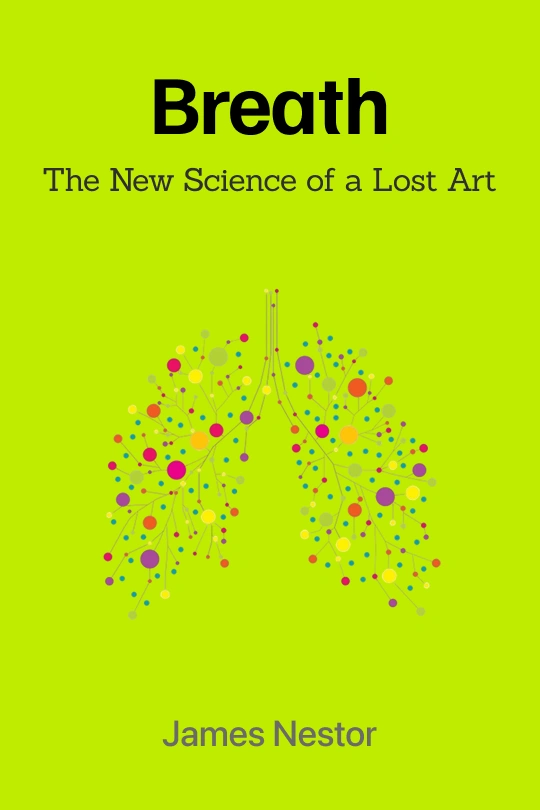
Breath: The New Science of a Lost Art
James Nestor

Code: The Hidden Language of Computer Hardware and Software
Charles Petzold

The Road to Financial Freedom
Bodo Schäfer

Amusing Ourselves to Death: Public Discourse in the Age of Show Business
Neil Postman

The Psychology of Money: Timeless Lessons on Wealth, Greed, and Happiness
Morgan Housel

Out of Control
Kevin Kelly

Radical Markets: Uprooting Capitalism and Democracy for a Just Society
Eric A. Posner, E. Glen Weyl
The Book of Basketball: The NBA According to The Sports Guy
Bill Simmons

The Almanack of Naval Ravikant
Naval Ravikant, Eric Jorgenson