

This Changes Everything: Capitalism vs. The Climate
"The climate crisis is our best chance to dismantle extractive capitalism and build a more just world."
- 1Reframe climate change as a systemic crisis of capitalism. The ecological emergency is not a discrete environmental issue but a direct consequence of an economic model predicated on endless extraction, growth, and inequality. Treating symptoms like carbon ignores the root disease.
- 2Reject market fundamentalism as a solution to the crisis it created. Techno-utopian fixes and carbon trading schemes are designed to preserve the profit imperative, not reduce emissions. Genuine solutions require breaking the ideological rules of deregulation and privatization.
- 3Recognize the power of grassroots, place-based resistance movements. From indigenous blockades to community-owned renewables, effective opposition emerges from those directly defending their land and livelihoods. These frontline battles are forging a coherent political alternative.
- 4Seize the crisis as a historic opportunity for radical transformation. The scale of change required to avert catastrophe necessitates rebuilding our economies and democracies. This moment demands a proactive, justice-oriented agenda—a 'People's Shock'—to counter predatory disaster capitalism.
- 5Confront the psychological barriers to climate action head-on. Denial often stems not from ignorance but from a deep-seated fear that addressing the crisis truthfully would upend a comfortable way of life. The book argues we must mourn that life to fight for a viable future.
Naomi Klein’s This Changes Everything constructs a formidable argument that the climate crisis cannot be understood—or solved—in isolation from the economic system that produced it. The book posits that the relentless pursuit of growth and profit under deregulated capitalism has systematically destabilized the planet’s ecological foundations. It dismantles the comforting myth that minor policy tweaks or green consumerism can suffice, insisting instead that the physics of global warming are on a collision course with the ideology of market fundamentalism.
Klein meticulously documents how this ideology has actively obstructed climate action for decades, through corporate lobbying, trade agreements that penalize environmental protections, and the promotion of fraudulent solutions like carbon offsets. The narrative travels from the tar sands of Alberta to drought-stricken Greece, illustrating how extractive industries exploit both people and ecosystems. The book argues that the ‘free market’ has been meticulously engineered to socialize risk and privatize gain, making it structurally incapable of delivering the rapid, planned decarbonization required.
Yet, this is not a counsel of despair. A significant portion of the book is devoted to the rise of a global movement Klein terms ‘Blockadia’—the grassroots, often indigenous-led resistance to fossil fuel extraction at its source. These conflicts are framed not as narrow environmental protests but as frontlines in a battle over democracy and economic justice. Simultaneously, the book highlights emerging models of community-controlled renewable energy and regenerative agriculture that prefigure a post-extractive economy.
Ultimately, This Changes Everything is a work of political and moral clarity aimed at readers paralyzed by the enormity of the crisis. It contends that addressing climate change is the most powerful lever available for tackling inequality, rebuilding democratic institutions, and healing historical injustices. The book’s legacy is its unflinching demand for a fundamental realignment of power, making it essential reading for anyone engaged in the struggle for a livable future.
The consensus hails the book as a vital, paradigm-shifting work that courageously connects ecological and economic crises. Readers praise its rigorous research and compelling narrative, describing it as intellectually galvanizing and morally urgent. Criticisms, though fewer, typically fault its political scope as overly broad or its tone as polemical, wishing for more granular policy detail. The overwhelming sentiment is that it succeeds masterfully in its core aim: reframing the climate debate from a technical problem to a profound political and existential choice.
- 1The necessity and feasibility of dismantling capitalism as a prerequisite for meaningful climate action.
- 2The effectiveness and strategic value of grassroots 'Blockadia' resistance versus top-down policy reforms.
- 3Debate over the book's tone: is its polemical style a necessary clarion call or counterproductively divisive?
- 4The perceived tension between the urgency of decarbonization and the book's focus on broader systemic change.

Amusing Ourselves to Death: Public Discourse in the Age of Show Business
Neil Postman

Stumbling on Happiness
Daniel Gilbert

Out of Control
Kevin Kelly

Permanent Record
Edward Snowden

The Artist's Way
Julia Cameron

The Almanack of Naval Ravikant
Naval Ravikant, Eric Jorgenson

Sapiens: A Brief History of Humankind
Yuval Noah Harari
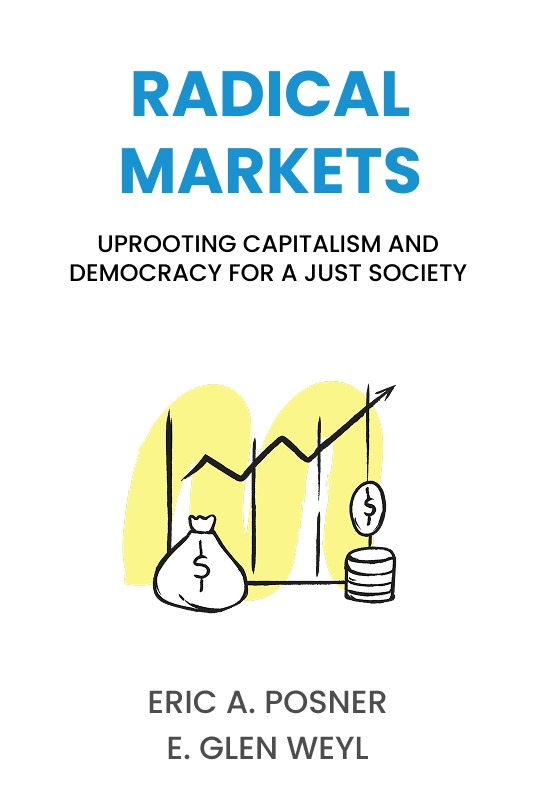
Radical Markets: Uprooting Capitalism and Democracy for a Just Society
Eric A. Posner, E. Glen Weyl

Code: The Hidden Language of Computer Hardware and Software
Charles Petzold

The Psychology of Money: Timeless Lessons on Wealth, Greed, and Happiness
Morgan Housel
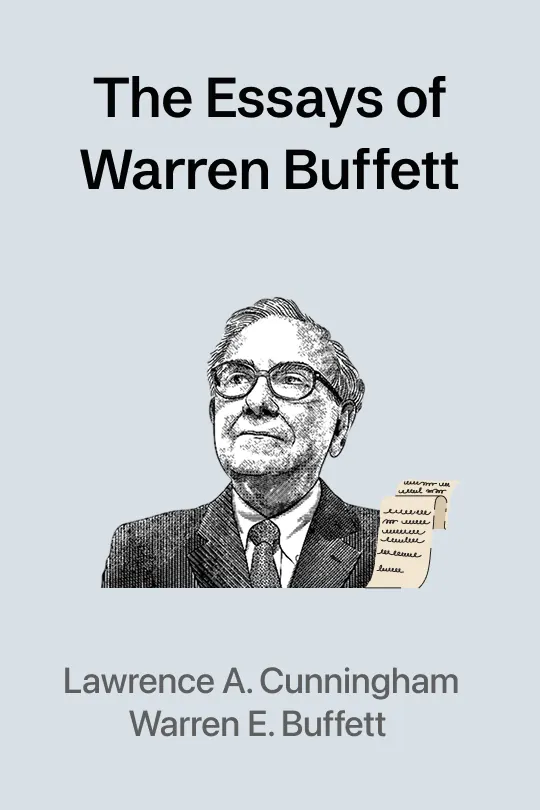
The Essays of Warren Buffett: Lessons for Corporate America
Lawrence A. Cunningham, Warren Buffett

Transformation in Christ
Dietrich Von Hildebrand