
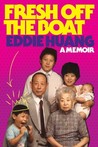
Fresh Off the Boat: A Memoir
"A defiant culinary memoir that weaponizes food and hip-hop to forge a raw, new American identity."
- 1Food is a language of identity and rebellion. Huang frames cooking and eating not as mere sustenance, but as acts of cultural translation and personal defiance. The kitchen becomes a battleground where family history and street culture violently, deliciously collide.
- 2Reject the 'model minority' myth with visceral force. The memoir systematically dismantles the stereotype of the docile Asian American through Huang's recounted delinquency, rage, and deliberate cultural misalignment. His identity is constructed in opposition to this oppressive expectation.
- 3Assimilation is a violent, non-linear process of self-invention. Huang's journey rejects a tidy narrative of fitting in. Instead, he depicts assimilation as a chaotic bricolage of stolen cultural fragments—from Tupac to Taiwanese street food—forged into a singular, defiant self.
- 4Parental legacy is both a burden and a toolkit. Huang's relationship with his FOB parents is fraught with conflict but underpinned by a raw, hustler's mentality he inherits. Their struggles provide the chaotic energy and entrepreneurial grit he channels into his own ventures.
- 5Authenticity requires enduring profound alienation. The path to self-acceptance depicted is paved with isolation—from mainstream white culture, from traditional Taiwanese expectations, and often from oneself. This endured alienation becomes the crucible for a genuine voice.
- 6Humor is a survival mechanism and a weapon. Huang's merciless, confrontational wit serves as both a shield against racism and a scalpel for dissecting absurdities. His comic voice refuses victimhood, asserting agency and perspective through brutal, hilarious observation.
Eddie Huang’s Fresh Off the Boat is a seismic, genre-defying memoir that chronicles the violent and hilarious process of self-creation at the margins of American culture. It begins not in the kitchen, but in the bewildering theme-park sprawl of suburban Orlando, where a young Huang navigates the dissonance between his Taiwanese immigrant family’s hustler spirit and the cookie-cutter conformity of 1990s America. This is the story of an outsider’s education, gleaned not from school but from street fights, hip-hop lyrics, and the relentless pressure to contort himself into the passive 'model minority' archetype.
Huang meticulously documents his rebellion, tracing a path from selling drugs and idolizing Tupac to an ill-fitting stint in corporate law and the ephemeral world of streetwear. The narrative backbone, however, is food. It operates as the central metaphor for identity—a tangible link to his mother’s traditional cooking, a currency in his father’s restaurant empire, and a site of cultural warfare. His eventual founding of Baohaus, the East Village Taiwanese bun shop, is framed not as a quaint entrepreneurial dream but as the logical, explosive culmination of this lifelong project: building a physical space that embodies his fractured, defiant heritage.
The memoir’s propulsion comes from Huang’s irrepressible voice—a volatile cocktail of legal precision, stand-up comedy timing, and hip-hop bravado. He writes with the kinetic energy of someone who has absorbed American culture through osmosis and is now firing it back, remixed and full of defiant pride. It is less a linear ascent than a series of collisions, each one stripping away a false identity to reveal a more authentic, complicated core.
Ultimately, Fresh Off the Boat recalibrates the immigrant narrative for a new generation. It rejects sentimental uplift in favor of a raw, profane, and deeply insightful account of assimilation as a creative, often destructive act. Huang forges a new American identity not by blending in, but by assembling a defiant self from the shards of hip-hop, immigrant struggle, family loyalty, and culinary passion, offering a blueprint for authenticity in a world that demands conformity.
The critical consensus celebrates Huang's electrifying, brutally honest voice and the memoir's groundbreaking reframing of Asian American identity, with many finding it hilarious and profoundly relatable. However, a significant portion of readers are polarized by his aggressive, confrontational style and perceived arrogance, which some find alienating rather than empowering. The book is widely acknowledged as culturally vital and unflinchingly raw, but its tonal abrasiveness dictates the reader's ultimate experience.
- 1The polarizing nature of Eddie Huang's abrasive, confrontational narrative voice and persona.
- 2The memoir's authentic and groundbreaking depiction of Asian American masculinity and rebellion against stereotypes.
- 3Relatability across demographic lines, with readers connecting to themes of outsiderhood and non-linear self-discovery.
- 4The central, powerful role of food as a metaphor for cultural identity, family, and personal legacy.
Transformation in Christ
Dietrich Von Hildebrand
Chip War: The Quest to Dominate the World's Most Critical Technology
Chris Miller

Amusing Ourselves to Death: Public Discourse in the Age of Show Business
Neil Postman

Code: The Hidden Language of Computer Hardware and Software
Charles Petzold
The Essays of Warren Buffett: Lessons for Corporate America
Lawrence A. Cunningham, Warren Buffett

How to Win Friends & Influence People
Dale Carnegie
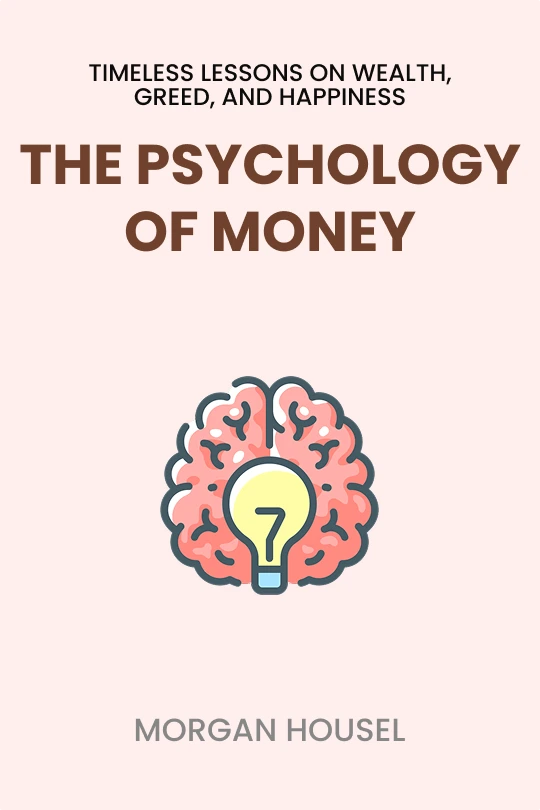
The Psychology of Money: Timeless Lessons on Wealth, Greed, and Happiness
Morgan Housel
The Book of Basketball: The NBA According to The Sports Guy
Bill Simmons
The Creative Habit
Twyla Tharp, Mark Reiter
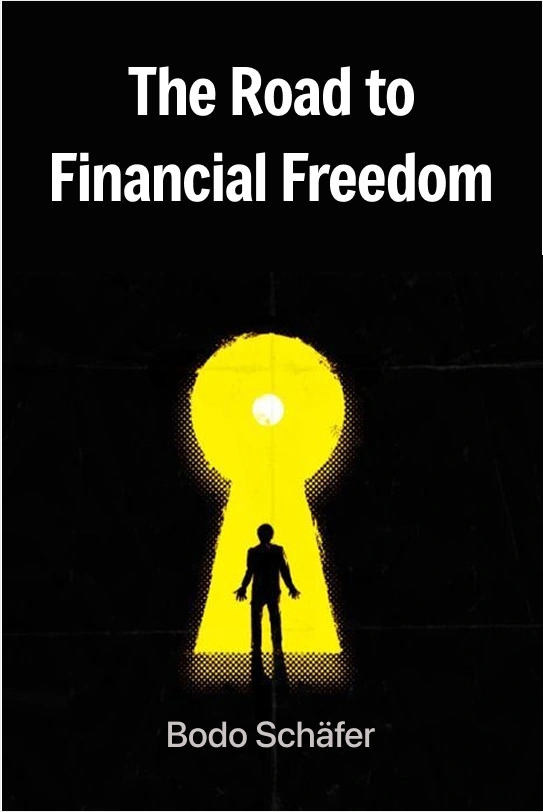
The Road to Financial Freedom
Bodo Schäfer

The Almanack of Naval Ravikant
Naval Ravikant, Eric Jorgenson
Radical Markets: Uprooting Capitalism and Democracy for a Just Society
Eric A. Posner, E. Glen Weyl