
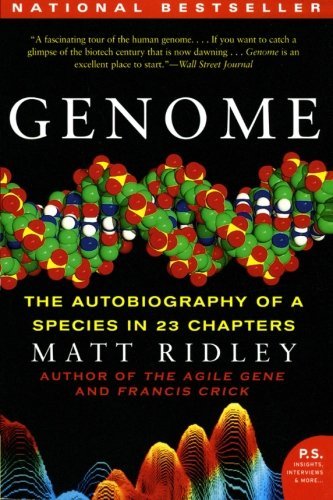
Genome: the Autobiography of a Species in 23 Chapters
"Decodes our shared biological autobiography, revealing how genes shape destiny, disease, and the very essence of being human."
Nook Talks
- 1Genes are historical documents of evolution. Our genome contains layered edits from billions of years, recording ancestral journeys from single-celled life to modern humans, with genes shared across species telling a deep-time story.
- 2Biology complicates the nature versus nurture debate. Ridley dismantles the dichotomy, illustrating through specific genes how nature requires nurture and how environment interacts with genetic predisposition in a continuous, complex feedback loop.
- 3Genetic determinism is a profound philosophical paradox. The book confronts the illusion of genetic puppetry, arguing that understanding biological programming is the prerequisite for true free will and conscious agency, not its negation.
- 4Single genes can illuminate universal human conditions. By selecting one gene per chromosome, the narrative connects specific DNA sequences to broad themes like intelligence, language, disease, memory, and the construction of the self.
- 5Genetics demands ethical vigilance against eugenic thinking. The history of misapplied genetics serves as a stark warning; the power to read our code must be coupled with humility and a firm ethical framework to avoid past horrors.
- 6The genome is a dynamic, contested, and selfish landscape. DNA is not a static blueprint but a realm of competing genetic elements, viral insertions, and internal battles that influence health, behavior, and evolutionary trajectories.
Matt Ridley’s 'Genome' constructs a masterful narrative of human life and history not through kings and treaties, but through the molecular sequences inscribed in our DNA. The book’s elegant architecture—one chapter for each of the twenty-three human chromosome pairs—uses a single, emblematic gene as a portal to explore a fundamental aspect of existence. This structure transforms the abstract concept of the genome into a tangible autobiography, where each chapter addresses a profound theme: life’s origin, the development of the body and brain, the roots of disease, the capacities for language and intelligence, and the intricate dance between inherited traits and experience.
Ridley journeys from the most ancient genetic legacies we share with bacteria to the mutations that recently distinguished us from chimpanzees. He examines genes implicated in cruel hereditary diseases like Huntington’s, as well as those involved in cancer, laying bare the mechanistic links between DNA and fate. The exploration extends to behavioral genetics, considering the genetic underpinnings of personality and cognition, while meticulously deconstructing the simplistic nature-versus-nurture dichotomy. Ridley reveals a genome that is active, engaged, and often internally conflicted, populated by "selfish" genetic elements and shaped by evolutionary arms races.
The book’s final act grapples with the immense social and philosophical implications of genetic knowledge. It provides a sobering historical account of eugenics, serving as a cautionary tale for the genomic age. Ridley then confronts the central existential quandary: if we are products of our genes, what becomes of free will? His reasoned conclusion posits that understanding our biological programming is the very foundation of meaningful agency. Published as the Human Genome Project neared completion, the work captures the precipice of a new era.
'Genome' is written for the intellectually curious layperson, synthesizing complex molecular biology, evolutionary theory, and medical science into a compelling and accessible story. It remains a landmark work of scientific exposition for its ability to humanize the double helix, framing it not as a cold, deterministic code, but as the dynamic and deeply personal story of our species.
The critical consensus hails this as Ridley's masterwork—a brilliantly structured and enduringly relevant exposition that makes complex genetics accessible and profoundly engaging. Readers universally praise its elegant chapter-by-chromosome conceit and the author's balanced, nuanced treatment of ethically fraught topics like determinism and eugenics. The primary reservation, voiced repeatedly, concerns the book's dated science in a rapidly advancing field, though most argue its core historical and philosophical insights remain timeless. The prose is acknowledged as dense and occasionally challenging, but the intellectual reward is deemed well worth the effort.
- 1The book's lasting relevance versus concerns over outdated science due to the pace of genetic discovery.
- 2Praise for Ridley's balanced and nuanced approach to the nature-nurture debate and genetic determinism.
- 3Discussion of the book's dense, challenging prose style and whether the intellectual payoff justifies the effort.
Outliers: The Story of Success
Malcolm Gladwell
Out of Control
Kevin Kelly

The Artist's Way
Julia Cameron

The Road to Financial Freedom
Bodo Schäfer
How to Win Friends & Influence People
Dale Carnegie

The Almanack of Naval Ravikant
Naval Ravikant, Eric Jorgenson
Sapiens: A Brief History of Humankind
Yuval Noah Harari
The Lessons of History
Will Durant

The Book of Basketball: The NBA According to The Sports Guy
Bill Simmons
Transformation in Christ
Dietrich Von Hildebrand
The Psychology of Money: Timeless Lessons on Wealth, Greed, and Happiness
Morgan Housel
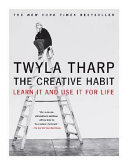
The Creative Habit
Twyla Tharp, Mark Reiter