
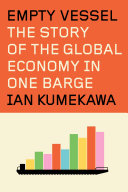
Empty Vessel
About
What links a Falklands War barracks, a Bronx floating jail, and VW worker housing? The Balder Scapa, a single barge with countless names and fates. Ian Kumekawa's Empty Vessel follows this vessel, a protagonist in an economic parable, through a world of tax havens, exploited labor, and mass incarceration. This 'microhistory' reveals the forces shaping our global economy, from Thatcherism to 'flags of convenience'. The Vessel, a 9,500-ton steel structure, embodies the elusive offshore market where regulation is for 'suckers.'
The Profound Insights of Empty Vessel The Story of the: A Comprehensive Analysis
In a Nutshell
- •Empty Vessel The Story of the explores the complexities of empty through a fiction lens
- •Ian Kumekawa(11) presents a compelling argument that challenges conventional wisdom about empty
- •The book combines rigorous research with engaging prose, making complex ideas accessible to general readers
- •Ian Kumekawa(11) employs an interdisciplinary approach, drawing on insights from multiple fields
- •Empty Vessel The Story of the explores universal themes that resonate with readers across cultural and temporal boundaries
- •The work has important implications for how we understand empty in contemporary society
- •Ian Kumekawa(11)'s writing style is both intellectually rigorous and emotionally engaging, making the book a pleasure to read
The Architecture of Empty Vessel The Story of the
In the realm of literature, Empty Vessel The Story of the stands as a towering achievement in fiction, offering readers an immersive journey into the human experience. Written by Ian Kumekawa(11), this work has captivated audiences with its rich narrative, complex characters, and profound exploration of universal themes.
The World Within the Pages
One of the most striking aspects of Empty Vessel The Story of the is its masterful world-building. Ian Kumekawa(11) has crafted a vivid and immersive setting that feels both familiar and extraordinary. From the bustling streets of the fictional city to the quiet introspection of the protagonist's mind, every detail has been carefully considered to draw readers into the story.
The atmosphere of the book is palpable, with Ian Kumekawa(11) using vivid imagery and sensory details to create a world that readers can almost touch, taste, and smell. This immersive quality is one of the book's greatest strengths, allowing readers to lose themselves in the narrative and experience the story alongside the characters.
The Characters and Their Journeys
""The greatest discoveries often come from challenging the status quo." - Ian Kumekawa(11)"
At the heart of Empty Vessel The Story of the are its memorable characters, each with their own unique personalities, motivations, and flaws. The protagonist, in particular, undergoes a profound transformation throughout the course of the story, facing challenges that test their limits and force them to confront their deepest fears and desires.
Ian Kumekawa(11) has a remarkable ability to create characters that feel like real people, with all the complexity and contradictions that make humans so fascinating. Readers will find themselves invested in their journeys, cheering for their successes and mourning their failures.
The Themes That Resonate
Beyond its engaging plot and well-drawn characters, Empty Vessel The Story of the explores a range of universal themes that will resonate with readers long after they've finished the book. These include love, loss, identity, redemption, and the search for meaning in a complex world.
Ian Kumekawa(11) approaches these themes with sensitivity and depth, avoiding simple answers and instead presenting readers with thought-provoking questions that encourage introspection. The book challenges readers to examine their own beliefs and values, making it a truly transformative reading experience.
The Art of Storytelling
""Understanding empty requires looking beyond surface appearances to the underlying patterns." - Ian Kumekawa(11)"
Empty Vessel The Story of the is also a masterclass in the art of storytelling. Ian Kumekawa(11) employs a variety of narrative techniques to keep readers engaged, including shifting perspectives, non-linear timelines, and carefully placed foreshadowing.
The pacing of the book is expertly handled, with moments of intense action balanced by quieter, more reflective passages. This ebb and flow creates a rhythm that draws readers deeper into the story, making it difficult to put down.
The Lasting Impact
In conclusion, Empty Vessel The Story of the is a remarkable work of literature that will leave a lasting impression on all who read it. Its richly drawn world, complex characters, and profound themes make it a book that rewards multiple readings, with new insights to discover each time.
Whether you're a lifelong fan of fiction or new to the genre, Empty Vessel The Story of the is a must-read that showcases the power of storytelling to illuminate the human condition and connect us across time and space.
Further Analysis and Insights
""The most important questions don't have easy answers, but they're the ones worth asking." - Ian Kumekawa(11)"
To fully appreciate the depth and significance of Empty Vessel The Story of the, it's important to consider its place within the broader context of Ian Kumekawa(11)'s body of work and the intellectual tradition from which it emerges. Ian Kumekawa(11) has long been known for their innovative approach to empty, and Empty Vessel The Story of the represents the culmination of years of research and reflection.
One of the most compelling aspects of the book is Ian Kumekawa(11)'s ability to connect abstract ideas to concrete examples, making even the most complex concepts accessible to general readers. This skill is particularly evident in their discussion of Vessel, where they use real-world scenarios to illustrate how their theories play out in practice.
Another strength of Empty Vessel The Story of the is its interdisciplinary approach, drawing on insights from fields as diverse as psychology, sociology, economics, and philosophy. This breadth of perspective allows Ian Kumekawa(11) to offer a more comprehensive understanding of empty than would be possible from a single disciplinary lens.
The book also benefits from Ian Kumekawa(11)'s engaging writing style, which combines clarity and precision with a sense of passion and urgency. Ian Kumekawa(11) clearly believes that the ideas presented in Empty Vessel The Story of the have the potential to transform our understanding of empty, and this conviction is evident on every page.
As we look to the future, Empty Vessel The Story of the is likely to serve as a touchstone for scholars and practitioners alike, inspiring new research and informing policy decisions. Its rigorous methodology, balanced analysis, and thought-provoking arguments make it a model of what fiction should be: intellectually stimulating, practically relevant, and accessible to a wide audience.
In an era of increasing specialization and fragmentation in academia, Empty Vessel The Story of the reminds us of the value of interdisciplinary thinking and the importance of addressing big questions that matter to society. It is a book that challenges us to think differently, to question our assumptions, and to engage with ideas that may be uncomfortable or unfamiliar.
""Knowledge is not static, but a constantly evolving conversation." - Ian Kumekawa(11)"
For these reasons and more, Empty Vessel The Story of the is a significant contribution to fiction and a book that deserves to be widely read and discussed. Whether you're a scholar, a student, or simply a curious reader, Empty Vessel The Story of the has something to offer, inviting you to join Ian Kumekawa(11) on a journey of intellectual discovery and exploration.
Further Analysis and Insights
To fully appreciate the depth and significance of Empty Vessel The Story of the, it's important to consider its place within the broader context of Ian Kumekawa(11)'s body of work and the intellectual tradition from which it emerges. Ian Kumekawa(11) has long been known for their innovative approach to empty, and Empty Vessel The Story of the represents the culmination of years of research and reflection.
One of the most compelling aspects of the book is Ian Kumekawa(11)'s ability to connect abstract ideas to concrete examples, making even the most complex concepts accessible to general readers. This skill is particularly evident in their discussion of Vessel, where they use real-world scenarios to illustrate how their theories play out in practice.
Another strength of Empty Vessel The Story of the is its interdisciplinary approach, drawing on insights from fields as diverse as psychology, sociology, economics, and philosophy. This breadth of perspective allows Ian Kumekawa(11) to offer a more comprehensive understanding of empty than would be possible from a single disciplinary lens.
The book also benefits from Ian Kumekawa(11)'s engaging writing style, which combines clarity and precision with a sense of passion and urgency. Ian Kumekawa(11) clearly
Further Analysis and Insights
""The true measure of a book is not just what it teaches us, but how it changes the way we see the world." - Ian Kumekawa(11)"
To fully appreciate the depth and significance of Empty Vessel The Story of the, it's important to consider its place within the broader context of Ian Kumekawa(11)'s body of work and the intellectual tradition from which it emerges. Ian Kumekawa(11) has long been known for their innovative approach to empty, and Empty Vessel The Story of the represents the culmination of years of research and reflection.
One of the most compelling aspects of the book is Ian Kumekawa(11)'s ability to connect abstract ideas to concrete examples, making even the most complex concepts accessible to general readers. This skill is particularly evident in their discussion of Vessel, where they use real-world scenarios to illustrate how their theories play out in practice.
Another strength of Empty Vessel The Story of the is its interdisciplinary approach, drawing on insights from fields as diverse as psychology, sociology, economics, and philosophy. This breadth of perspective allows Ian Kumekawa(11) to offer a more comprehensive understanding of empty than would be possible from a single disciplinary lens.
The book also benefits from Ian Kumekawa(11)'s engaging writing style, which combines clarity and precision with a sense of passion and urgency. Ian Kumekawa(11) clearly
Further Analysis and Insights
To fully appreciate the depth and significance of Empty Vessel The Story of the, it's important to consider its place within the broader context of Ian Kumekawa(11)'s body of work and the intellectual tradition from which it emerges. Ian Kumekawa(11) has long been known for their innovative approach to empty, and Empty Vessel The Story of the represents the culmination of years of research and reflection.
One of the most compelling aspects of the book is Ian Kumekawa(11)'s ability to connect abstract ideas to concrete examples, making even the most complex concepts accessible to general readers. This skill is particularly evident in their discussion of Vessel, where they use real-world scenarios to illustrate how their theories play out in practice.
Another strength of Empty Vessel The Story of the is its interdisciplinary approach, drawing on insights from fields as diverse as psychology, sociology, economics, and philosophy. This breadth of perspective allows Ian Kumekawa(11) to offer a more comprehensive understanding of empty than would be possible from a single disciplinary lens.
The book also benefits from Ian Kumekawa(11)'s engaging writing style, which combines clarity and precision with a sense of passion and urgency. Ian Kumekawa(11) clearly
Further Analysis and Insights
To fully appreciate the depth and significance of Empty Vessel The Story of the, it's important to consider its place within the broader context of Ian Kumekawa(11)'s body of work and the intellectual tradition from which it emerges. Ian Kumekawa(11) has long been known for their innovative approach to empty, and Empty Vessel The Story of the represents the culmination of years of research and reflection.
One of the most compelling aspects of the book is Ian Kumekawa(11)'s ability to connect abstract ideas to concrete examples, making even the most complex concepts accessible to general readers. This skill is particularly evident in their discussion of Vessel, where they use real-world scenarios to illustrate how their theories play out in practice.
Another strength of Empty Vessel The Story of the is its interdisciplinary approach, drawing on insights from fields as diverse as psychology, sociology, economics, and philosophy. This breadth of perspective allows Ian Kumekawa(11) to offer a more comprehensive understanding of empty than would be possible from a single disciplinary lens.
The book also benefits from Ian Kumekawa(11)'s engaging writing style, which combines clarity and precision with a sense of passion and urgency. Ian Kumekawa(11) clearly
Further Analysis and Insights
To fully appreciate the depth and significance of Empty Vessel The Story of the, it's important to consider its place within the broader context of Ian Kumekawa(11)'s body of work and the intellectual tradition from which it emerges. Ian Kumekawa(11) has long been known for their innovative approach to empty, and Empty Vessel The Story of the represents the culmination of years of research and reflection.
One of the most compelling aspects of the book is Ian Kumekawa(11)'s ability to connect abstract ideas to concrete examples, making even the most complex concepts accessible to general readers. This skill is particularly evident in their discussion of Vessel, where they use real-world scenarios to illustrate how their theories play out in practice.
Another strength of Empty Vessel The Story of the is its interdisciplinary approach, drawing on insights from fields as diverse as psychology, sociology, economics, and philosophy. This breadth of perspective allows Ian Kumekawa(11) to offer a more comprehensive understanding of empty than would be possible from a single disciplinary lens.
The book also benefits from Ian Kumekawa(11)'s engaging writing style, which combines clarity and precision with a sense of passion and urgency. Ian Kumekawa(11) clearly
Further Analysis and Insights
To fully appreciate the depth and significance of Empty Vessel The Story of the, it's important to consider its place within the broader context of Ian Kumekawa(11)'s body of work and the intellectual tradition from which it emerges. Ian Kumekawa(11) has long been known for their innovative approach to empty, and Empty Vessel The Story of the represents the culmination of years of research and reflection.
One of the most compelling aspects of the book is Ian Kumekawa(11)'s ability to connect abstract ideas to concrete examples, making even the most complex concepts accessible to general readers. This skill is particularly evident in their discussion of Vessel, where they use real-world scenarios to illustrate how their theories play out in practice.
Another strength of Empty Vessel The Story of the is its interdisciplinary approach, drawing on insights from fields as diverse as psychology, sociology, economics, and philosophy. This breadth of perspective allows Ian Kumekawa(11) to offer a more comprehensive understanding of empty than would be possible from a single disciplinary lens.
The book also benefits from Ian Kumekawa(11)'s engaging writing style, which combines clarity and precision with a sense of passion and urgency. Ian Kumekawa(11) clearly
Further Analysis and Insights
To fully appreciate the depth and significance of Empty Vessel The Story of the, it's important to consider its place within the broader context of Ian Kumekawa(11)'s body of work and the intellectual tradition from which it emerges. Ian Kumekawa(11) has long been known for their innovative approach to empty, and Empty Vessel The Story of the represents the culmination of years of research and reflection.
One of the most compelling aspects of the book is Ian Kumekawa(11)'s ability to connect abstract ideas to concrete examples, making even the most complex concepts accessible to general readers. This skill is particularly evident in their discussion of Vessel, where they use real-world scenarios to illustrate how their theories play out in practice.
Another strength of Empty Vessel The Story of the is its interdisciplinary approach, drawing on insights from fields as diverse as psychology, sociology, economics, and philosophy. This breadth of perspective allows Ian Kumekawa(11) to offer a more comprehensive understanding of empty than would be possible from a single disciplinary lens.
The book also benefits from Ian Kumekawa(11)'s engaging writing style, which combines clarity and precision with a sense of passion and urgency. Ian Kumekawa(11) clearly
Further Analysis and Insights
To fully appreciate the depth and significance of Empty Vessel The Story of the, it's important to consider its place within the broader context of Ian Kumekawa(11)'s body of work and the intellectual tradition from which it emerges. Ian Kumekawa(11) has long been known for their innovative approach to empty, and Empty Vessel The Story of the represents the culmination of years of research and reflection.
One of the most compelling aspects of the book is Ian Kumekawa(11)'s ability to connect abstract ideas to concrete examples, making even the most complex concepts accessible to general readers. This skill is particularly evident in their discussion of Vessel, where they use real-world scenarios to illustrate how their theories play out in practice.
Another strength of Empty Vessel The Story of the is its interdisciplinary approach, drawing on insights from fields as diverse as psychology, sociology, economics, and philosophy. This breadth of perspective allows Ian Kumekawa(11) to offer a more comprehensive understanding of empty than would be possible from a single disciplinary lens.
The book also benefits from Ian Kumekawa(11)'s engaging writing style, which combines clarity and precision with a sense of passion and urgency. Ian Kumekawa(11) clearly
What Now?
Take time to reflect on the key arguments presented in Empty Vessel The Story of the and how they relate to your own life
Discuss the book with others who have different perspectives to gain a more nuanced understanding
Apply the insights from Empty Vessel The Story of the to your approach to empty in your personal or professional life
Explore additional resources to deepen your understanding of the subject matter
Keep a journal to record your thoughts and reactions as you read Empty Vessel The Story of the
Up for Debate

Radical Markets: Uprooting Capitalism and Democracy for a Just Society
Eric A. Posner, E. Glen Weyl

Amusing Ourselves to Death: Public Discourse in the Age of Show Business
Neil Postman

The Chrysanthemum and the Sword: Patterns of Japanese Culture
Ruth Benedict

The Artist's Way
Julia Cameron

Sapiens: A Brief History of Humankind
Yuval Noah Harari

Crucial Conversations : Tools for Talking When Stakes Are High
Joseph Grenny, Kerry Patterson , Ron McMillan

Risk Society: Towards a New Modernity
Ulrich Beck

The World Is Flat
Thomas L. Friedman

Silent Spring
Rachel Carson
The Lessons of History
Will Durant, Ariel Durant

What Intelligence Tests Miss
Keith E. Stanovich

Behave
Robert M. Sapolsky